
Microneedling is often thought of as an autumn or winter treatment. If you are considering an appointment in spring or summer, it is more useful to look at sun exposure, everyday life and recovery than to follow a fixed seasonal rule.
Ultimately, what matters is whether the skin will have enough time to recover after the appointment and whether sun protection and gentle skincare are manageable in the daily routine. This makes timing easier to assess objectively, based on UV exposure, skin sensitivity and plans for the next few days.
Spring and summer: UV exposure tells you more than the month
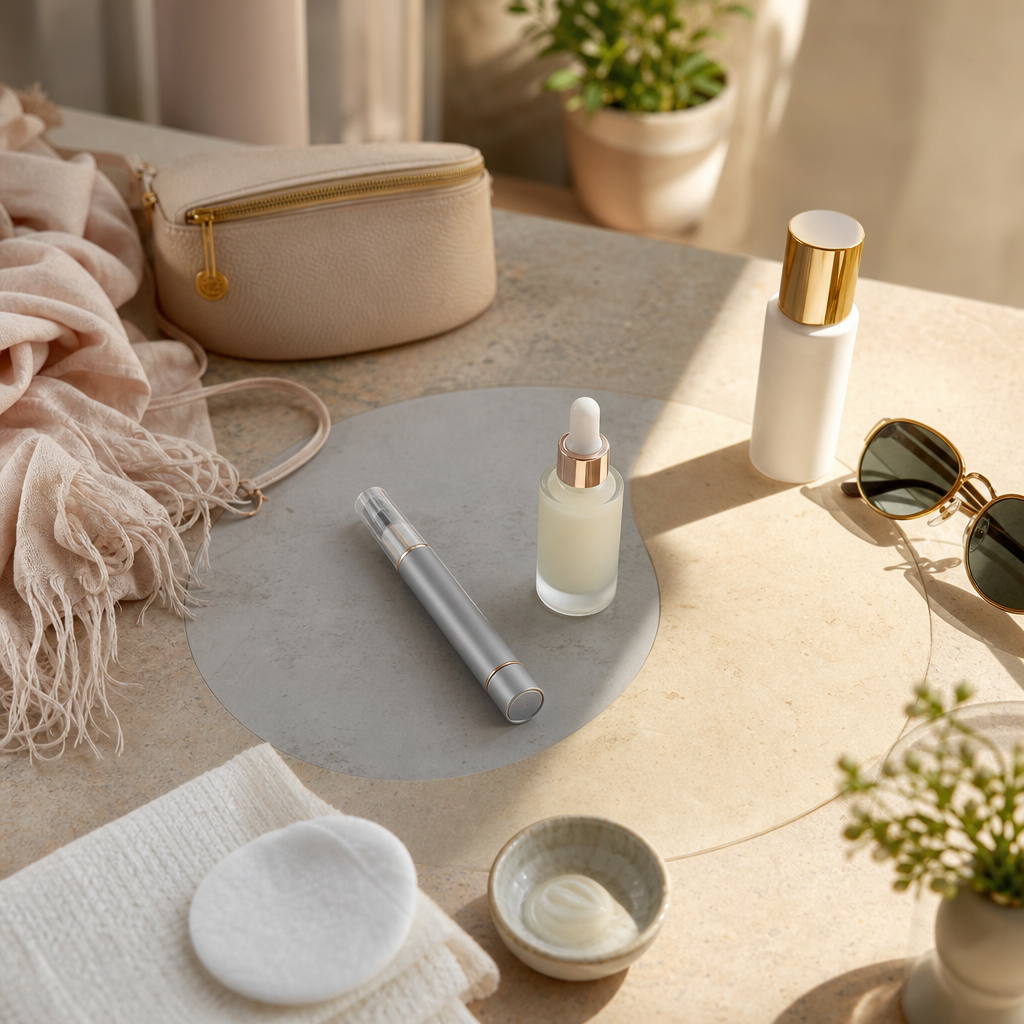
Planning microneedling at a studio depends less on the calendar month and more on actual UV exposure in spring and summer. Time outdoors, travel, outdoor sports or an upcoming summer holiday can influence appointment timing more than the season on the calendar.
The simple rule “microneedling belongs in autumn and winter” is too broad. It has a reasonable basis, because less sun often makes aftercare easier to plan. But that does not mean spring and summer are automatically out. What matters is whether there is a calm window for recovery.
Three points help with the assessment:
- UV exposure: not only midday sun, but everyday life outdoors as well. - Signs during recovery: redness or sensitivity can be noticeable in daily life. - Aftercare: sun protection, soothing skincare and a low-irritant routine need to be genuinely practical.
A common mistake is to treat sun protection as the only solution. In practice, the full context matters: travel plans, work events or public appearances, outdoor sports and your own tendency to develop pigment changes. Spring and summer are not blanket reasons against treatment; they are periods that need more careful planning.
Before holidays, events or when skin is sensitive: check the timing honestly
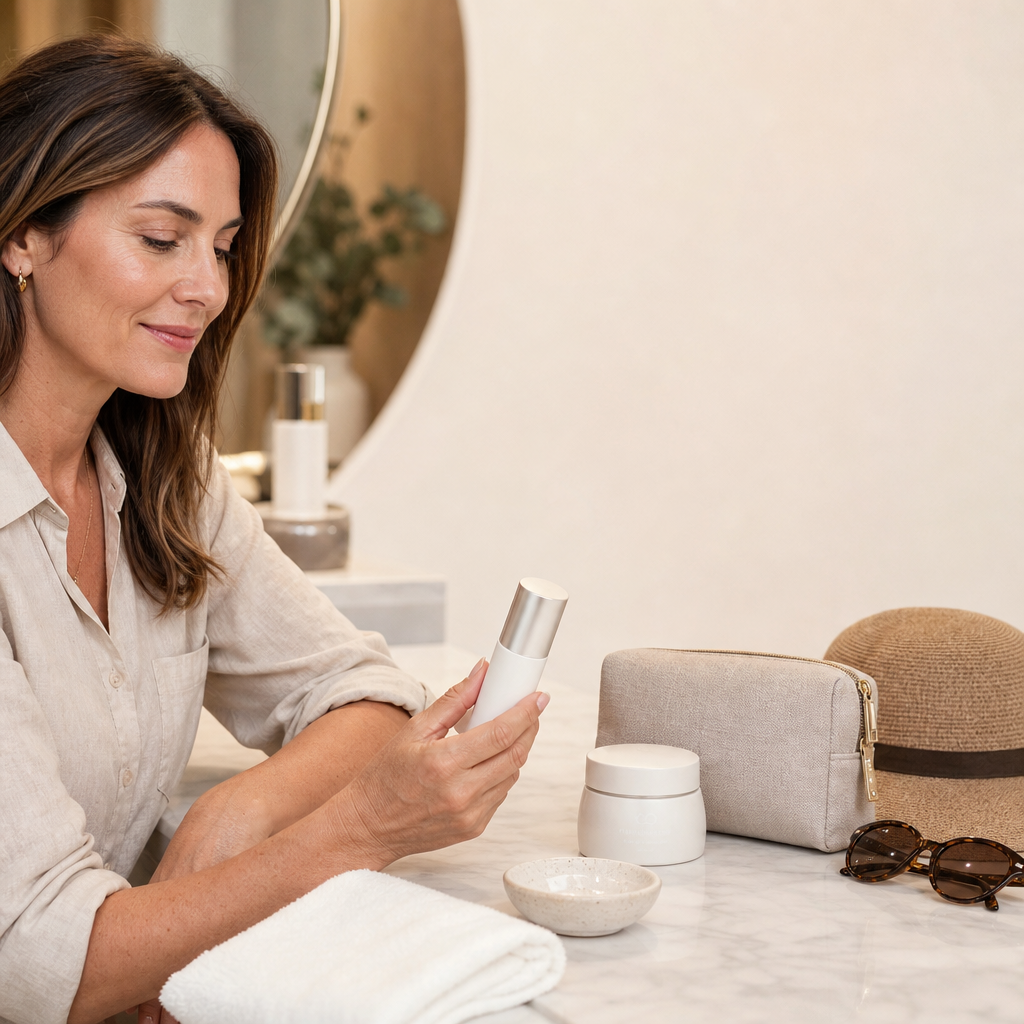
Planning becomes especially concrete before holidays, events or longer periods outdoors. The question is not only what skin goal you want, but also how visible the skin's reaction may be after the appointment.
Sunny periods often bring a misunderstanding: sun protection is treated as a single product, rather than part of the whole aftercare routine. In many treatment concepts, skin is considered more sensitive to irritation after microneedling. Direct sun, heat, travel, outdoor sports and long days outside therefore carry more weight.
Events also affect the timing. An appointment shortly before a photo shoot, a work event, a public appearance or a private celebration can feel different from one in a quiet week. Depending on the occasion, redness, tightness or temporarily uneven-looking skin may be more bothersome. Makeup may also be part of the plan.
Seasonal planning becomes more individual with sensitive skin or a tendency towards pigmentation changes. Warmer months often bring more variables: stronger sun, sweating, travel and a skincare routine that is harder to control. There is no fixed cut-off month. It depends on the skin's reaction, treatment intensity and how well aftercare fits into everyday life. For a perspective on texture improvement, see also how to plan realistically for smoother skin texture over time.
The right time for microneedling depends on several factors, not a fixed seasonal rule. UV exposure, planned time outdoors, skin sensitivity and aftercare all belong in the picture.
Before holidays or events, it is worth taking a calm look at everyday life after the appointment. That makes the decision easier to plan and keeps it closer to what the skin and calendar actually allow.
At Mary4Beauty, the focus is on this kind of realistic assessment: skin condition, everyday life and aftercare are considered in advance, without naming one ideal month. If you are unsure which timing fits your routine, you can take time to talk through questions before booking with the studio. This can help you coordinate sun protection, skincare and appointment timing.