
You have booked an appointment at a beauty studio – perhaps for Microneedling, eyelash extensions or an intensive facial treatment. Then the questions come: should you do anything to prepare? And how can you tell whether the studio really works hygienically? A thoughtful checklist helps with both. It shows you what you can do in the days beforehand and what signs to look for at the studio when it comes to your safety.
How to prepare: from one week before to the day of your treatment
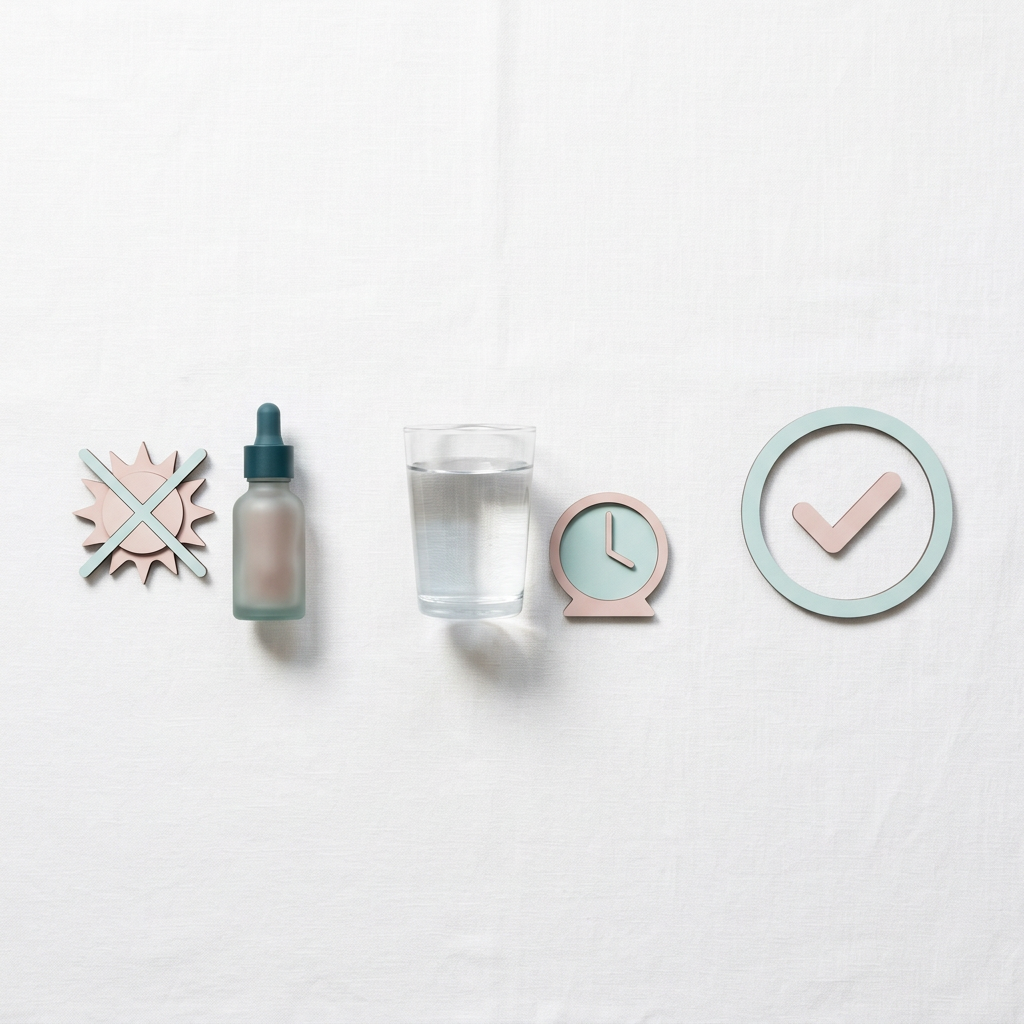
Preparing for a cosmetic treatment can be divided into three periods: the week beforehand, the final 48 hours and the day of the treatment itself.
From about seven days before your appointment, the main thing is to avoid putting unnecessary stress on your skin. Chemical peels, fruit-acid treatments or prolonged sunbathing – including on a sunbed – can make the skin barrier more sensitive. This directly affects how well your skin responds to the planned treatment later.
There are a few more things to consider in the final 48 hours. Alcohol and too much caffeine affect circulation and can make the skin more sensitive. Blood-thinning medicines such as aspirin deserve particular attention. Whether you stop or continue taking them is always a medical decision – never do this on your own.
On the day of the treatment, the condition of the skin in the treatment area matters. Make-up, even light products, can make disinfection more difficult and compromise hygiene. Drinking enough water, on the other hand, has a positive effect on skin elasticity and your general wellbeing.
So safety does not begin only when you lie down for treatment. Small everyday choices during the week beforehand can make a difference. If you are dealing with skin irritation or taking medication, a brief conversation with the studio beforehand is the safest course.
Spotting hygiene at the studio: what to look for at your appointment
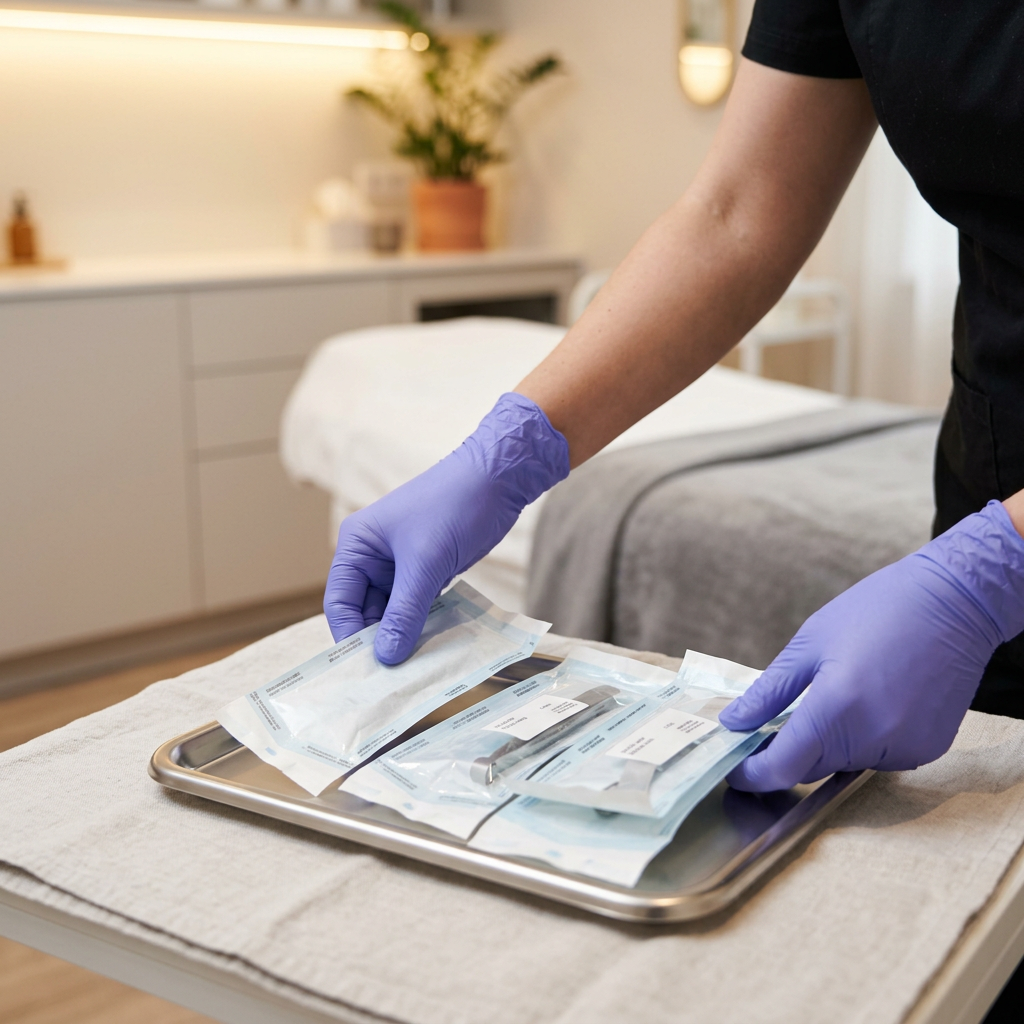
Your first impression when entering a beauty studio often says more about its actual hygiene standards than any advertising text. There are a few things you can observe easily.
Look at how instruments are handled. Tools such as tweezers or needles should be individually and sterilely packaged, with the packaging opened only immediately before use. Ideally, reusable instruments go through a multi-stage process of cleaning, disinfection and sterilisation. If they are left out in the open without packaging, this may point to gaps in reprocessing.
The staff’s behaviour offers clues too. Hand disinfection before touching the skin, fresh disposable gloves and a face mask for certain treatments are part of professional practice. VAH-listed disinfectants – products whose efficacy has been assessed by an independent professional association – are regarded in the industry as a recognised benchmark.
The treatment environment matters just as much. Fresh covers on the treatment bed, clean towels and work surfaces disinfected between appointments show that there is a considered routine. Regular ventilation and a tidy environment complete the picture.
Transparency is another good sign. Studios that speak openly about their hygiene measures – through visible procedures, certificates or a willingness to answer questions about instrument reprocessing – show that they take quality seriously. In the end, these observable details reveal more about actual safety standards than the décor or price list.
The safety of a cosmetic treatment depends on two sides: your own preparation and the studio’s standards. Small things in the week beforehand, such as avoiding intensive peels or drinking enough water, can make a noticeable difference. It is also worth paying attention to hygiene details at your appointment. Fresh gloves, sterile packaging and open communication are not nice extras; they are signs of good working practice.
At Mary4Beauty, consistent hygiene and safety standards are an integral part of every treatment – from preparing your skin individually to personal aftercare. If you would like to feel completely at ease before your next appointment, book an appointment and see for yourself.