
The cosmetics market in Germany continues to grow: figures put the increase at around 2.9% in 2025, with moderate growth likely in 2026. At the same time, sales channels are shifting toward online, and beauty tech is becoming more visible. For clients, it is increasingly important to understand what a promise actually delivers—and what lies behind services and prices.
Germany update: sales, channels and prices—what stands out
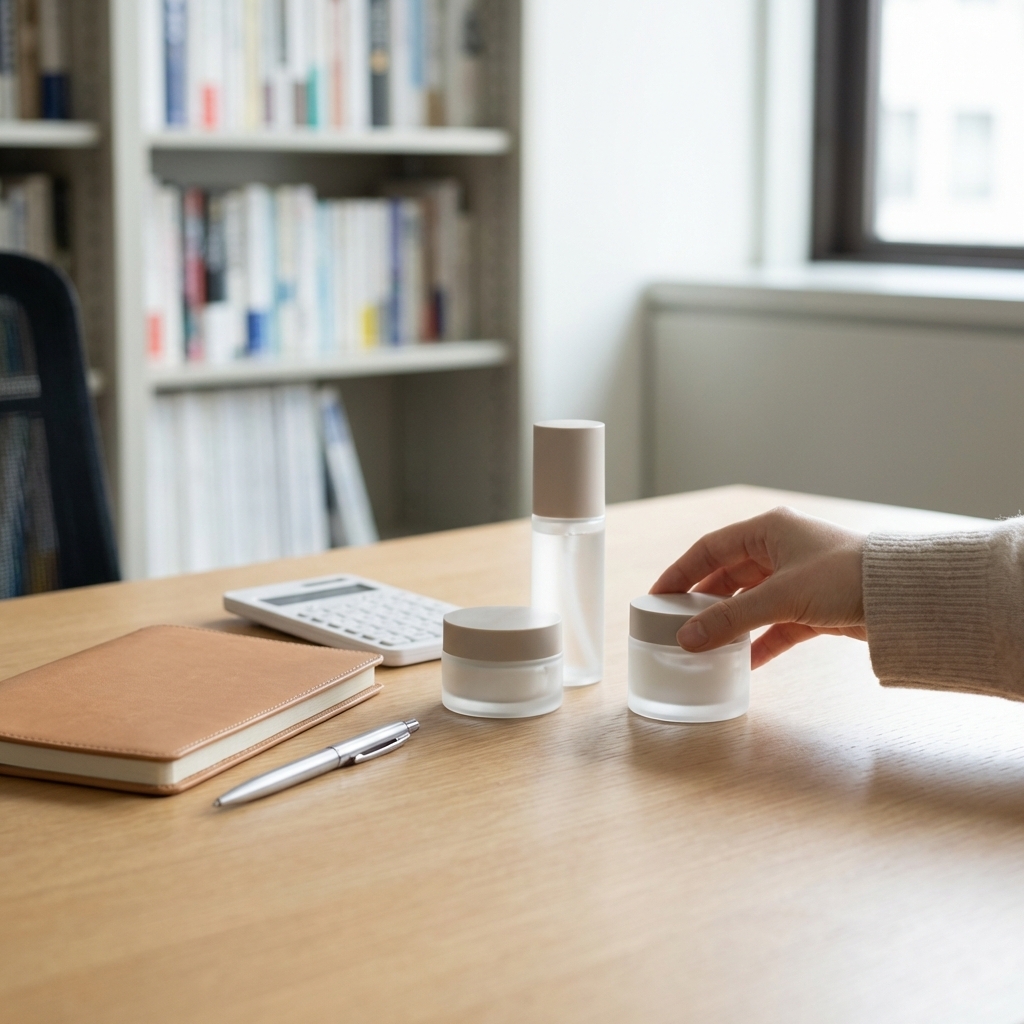
The cosmetics and personal care industry in Germany continues to report rising sales, despite subdued consumer spending overall. According to industry figures, growth was around 2.9% in 2025, and moderate growth is expected in 2026. The domestic market appears stable, while exports are held back by weaker sales markets and geopolitical uncertainty.
Sales channels are shifting: drugstores remain the most important place to shop, while e-commerce is gaining significant ground. Discounters are especially present in price-driven product ranges. For brands, this means more competition between reach, price pressure and clear positioning.
Costs also remain a factor: energy and raw material prices affect calculations throughout the supply chain. Customers often notice this indirectly in the studio offering and in the retail offering, for example through promotions, product ranges and pricing tiers.
Trends for 2026: beauty tech, “Skingevity” and a more natural look
Two strong themes are emerging for 2026: more technology in everyday life (from home devices to device-based cosmetology) and a greater focus on long-term skin care (“Skingevity”). This looks less like a short-lived hype and more like a response to the desire for reliable results and convenient use.
Beauty tech is taking center stage: according to its announcements, L’Oréal highlighted tools at CES 2026 that make the “Home Device” category more tangible, including an LED face mask and an infrared styling device.
In the professional beauty world, BEAUTY Düsseldorf (March 20–22, 2026) sets the agenda: “Skingevity” represents a shift from quick looks toward routines and narratives around active ingredients and diagnostics, combined with a trend toward authenticity and less pressure to be perfect. At the same time, trend forecasts and social media signals point to styles that work better in everyday life and greater individuality; technology often enables this through personalized analyses and digital consultations.
Overall, the market remains stable, more shopping is moving online and beauty tech is becoming more visible. Clients benefit from a clear-eyed look at effects and everyday practicality. Anyone interested in new tools is usually better served by a consultation and realistic expectations. An everyday perspective on trends is also available in the Soft Skin Glow article.
If you would like to put trends and options into context for your skin goals, you can visit the website and arrange a short consultation if needed. Mary4Beauty shares information about beauty topics and makes it easy to find suitable studio appointments online.