
The European Commission is reviewing the Cosmetics Regulation and working on changes to the REACH chemicals regulation (as of 12 August 2025). Despite the EU bans on testing and marketing, animal tests may still be required or carried out for substances used in cosmetics, according to the source. This particularly affects claims such as “cruelty-free”.
The EU Ban — and Why It Is Not Complete in Practice
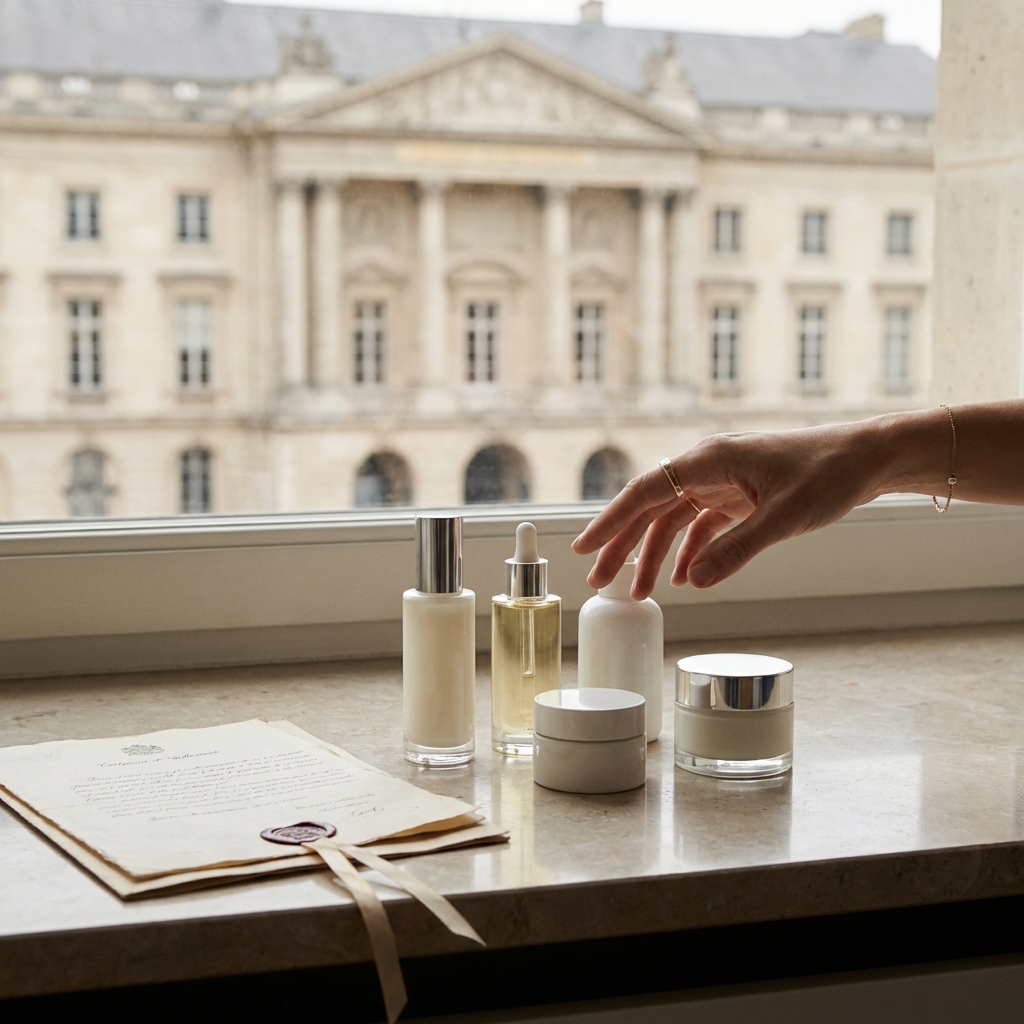
Animal testing for cosmetics and many ingredients has been banned in the EU since 2009; the final exceptions ended in 2013. A marketing ban has also applied since March 2013: cosmetics may not be sold if their safety evidence was obtained through animal testing after that date.
Why, then, do ingredients still appear that are linked to animal testing? According to the source, this is due to interpretation and overlap between cosmetics law and other EU rules — similar to debates about cosmetic ingredients and how they are assessed.
The article points to decisions that shape the dispute: in 2016, the Court of Justice of the European Union clarified that cosmetics should not receive market authorisation if animal-test data had been used for approvals in other countries. At the same time, it remains difficult to check whether tests were carried out for other markets.
REACH, which has been in force since 2007, adds another factor: under this chemicals regulation, authorities or the ECHA can require animal tests for substances, even when they are used as cosmetic ingredients, according to the source. The source also reported on 12 August 2025 that the European Commission was evaluating the Cosmetics Regulation and proposing REACH updates.
REACH and Labels: Why “Cruelty-Free” Is Harder to Prove
REACH governs the registration and safety assessment of chemicals in the EU. According to the source, it can still be used to require animal tests for substances that are also used in cosmetics — for example, when they are used in other sectors as well.
Particularly controversial: the article describes a 2020 decision by the European Board of Appeal under which such requirements may even apply to substances used exclusively as cosmetic ingredients.
This matters to many salon and spa clients because purchase decisions often hinge on claims such as “cruelty-free”. If ingredients have been tested in the context of REACH, a product may still be sold — and the claim becomes harder for consumers to interpret clearly.
In the current reform debate, the source says animal testing should be used only “as a last resort”; at the same time, numerous animals continue to be used in tests involving substances used in cosmetics.
The EU debate shows that legal tensions remain between cosmetics bans and REACH. For “cruelty-free” claims, this means fewer straightforward yes-or-no answers — and greater importance for clear, traceable information throughout the supply chain. When products are used not only at home but also during a facial treatment at the studio , transparent context helps too.
We offer beauty studio and spa treatments, as well as personal advice on products and skincare routines — tailored to your skin, daily life and preferences.
If you have questions about ingredients or how to interpret “cruelty-free” claims, we will be happy to take a little time at the studio to offer calm, clear guidance.