“Device-based cosmetology” sounds high-tech—and sometimes it comes with big promises. If you would like your skin to look fresher but want to avoid pain, downtime or doubts about hygiene, a clear-eyed look at the options can help.
This is about finding your bearings: how does a modern facial using devices differ from a traditional treatment done entirely by hand, what is realistic, and which signs show that a studio works cleanly and transparently?
Device-Based Cosmetology: What Is It—and What Isn't It?

Device-based cosmetology means a modern facial using equipment to support skincare in a more targeted way. The technology acts like an amplifier: it can make the steps more consistent, but it does not replace a good skin assessment.
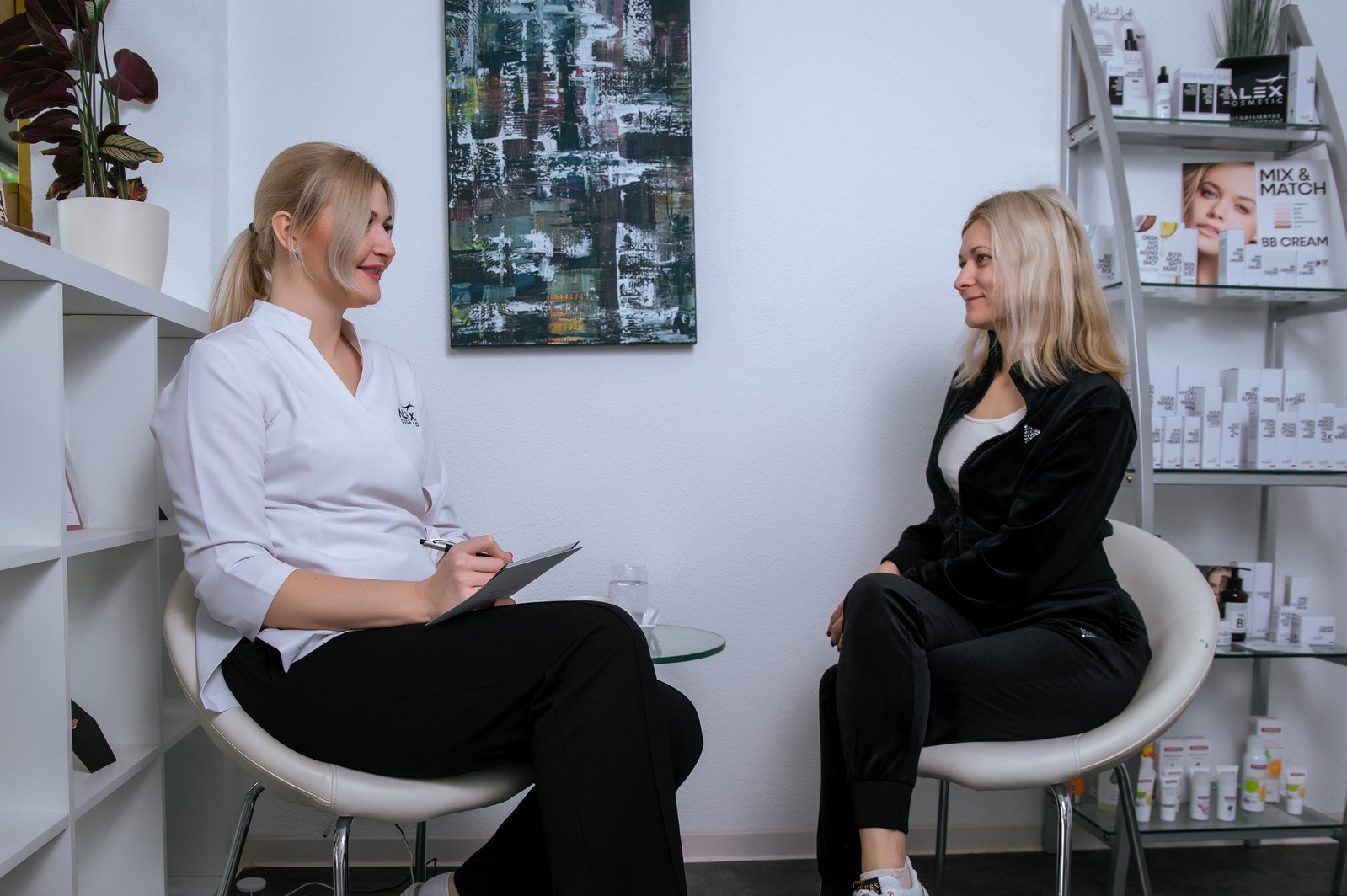
The main difference from a purely manual treatment is often how precisely the process can be controlled. With devices, intensity and duration can be set more accurately. This can make it easier to adapt the treatment consistently to your skin—for example, with a device-based treatment at a studio. Manual treatments rely more on hands, pressure and rhythm, which is why they often feel more like a spa treatment.
Why many clients choose device-based treatments: - a fresher complexion or a short-lived glow - smoother-feeling, well-hydrated skin - the impression that active ingredients are worked into the skin more thoroughly
Keep expectations in mind: one appointment can visibly refresh the skin, but it rarely changes everything at once. The way the skin feels is individual, too. Some methods are gentle (warmth, vibration or a gliding touch); others are more noticeable (for example, suction). Pain is not a given—it depends on the method, settings and your sensitivity. Downtime varies as well: depending on the treatment, there may be nothing visible or there may be temporary reactions.
Signs of a reputable studio: - disposable materials where appropriate - a clean workspace and clear, traceable hygiene for surfaces and equipment - a clear explanation of what will be done and which reactions may be typical
Two misconceptions, briefly: “device-based” does not automatically mean invasive. Home devices can complement skincare, but they do not replace the combination of experience, skin assessment and studio equipment.
How to Find a Modern Facial That Suits You

A modern facial can quickly start to feel like a “menu” of devices and names. A simple way to choose makes it easier to sort through—even without specialist knowledge.
Goal: put your wishes into words, set realistic expectations and see whether the treatment fits your everyday life.
To start: have a rough idea of how sensitive your skin is and which products you currently use.
Step by step (6 steps): 1) Clarify your goal in one sentence (glow? a calmer skin feel? a special occasion?). Result: a clear focus. 2) Check the timing (appointment length, work or events afterwards). Result: fewer surprises. 3) Think about sensitivity (what irritates your skin quickly, and what do you tolerate well?). Result: a better-matched intensity. 4) Use the consultation and skin assessment to align expectations. Result: a realistic suggestion. 5) Ask what the treatment involves: how it feels on the skin, possible reactions and downtime. Result: you know what may be normal. 6) Think about aftercare: what changes over the first few days, and what stays as usual? Result: the effect is more likely to last.
Questions that are genuinely useful to ask at the studio: - How long will the whole appointment take? - What does it usually feel like? - What might I notice in the mirror afterwards? - What aftercare is usually recommended—and why?
Quick checklist: “Am I prepared?” - your goal in one sentence - known sensitivities - current products and habits - time around the appointment - expectations about the result and possible downtime
Common pitfalls: doing too much too soon (too many stimuli at once), using before-and-after photos as a benchmark, and underestimating aftercare.
Mini-quiz (2 questions): - Can I describe my goal in one sentence? - Do I know what my skin is more—and less—likely to tolerate afterwards?
Troubleshooting: if something feels unusual, asking the studio is usually the best first step—instead of trying to “counteract” it at home and irritating your skin further.
Device-based cosmetology is first and foremost a tool. It can make skincare more precise, but it is not automatically “stronger” or “better”. With realistic expectations, a clear goal and attention to hygiene, the appointment is easier to plan—and more relaxing.
If you like, take your time looking at appointment options and book a no-obligation consultation. At our studio, we offer advice and modern facials, with a transparent process, a focus on hygiene and aftercare suited to your skin.
If you are unsure, a calm consultation is often the best guide: it is the process, how your skin feels and suitable aftercare—not the device's name—that matter. You may also find it helpful to read how long results from a facial typically last.