
An Aquafacial can leave skin looking fresher, smoother and more cared for in summer. At the same time, sun, heat, sweat and frequent cleansing all come into play, while skin may need more considered care after the treatment.
That is why a clear glow plan can make everyday care easier: the appointment is easier to place in context, aftercare stays manageable, and UV protection is not confused with moisturising skincare.
Phases 1 and 2: Prepare the skin and plan Aquafacial thoughtfully
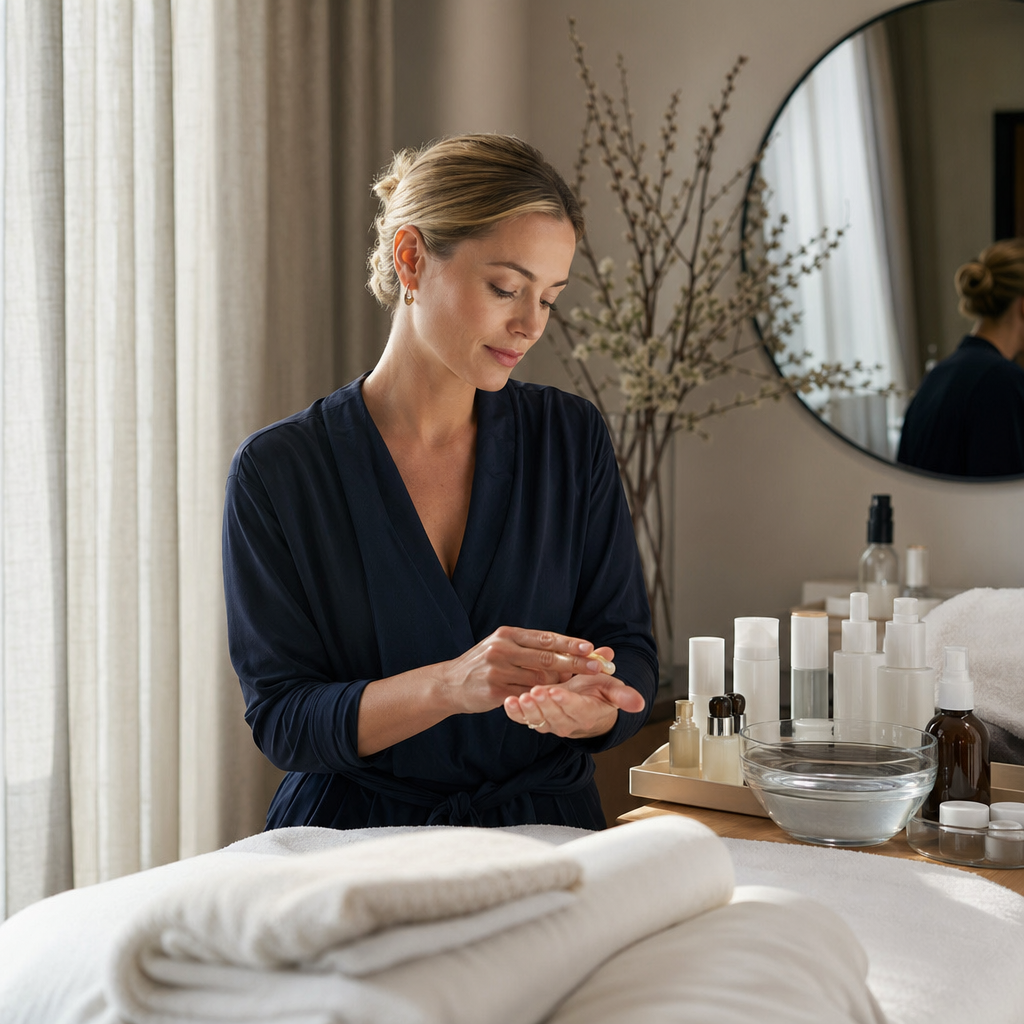
A UV-safe glow plan starts before the appointment. In summer, sun, warmth, sweating and frequent cleansing can throw the skin off balance more quickly. The first consideration is therefore how the skin looks and feels now, not the strongest possible effect straight afterwards.
Before an Aquafacial, three quick questions can help: Is the skin calm? Has there been a lot of sun or heat in the last few days? Which products make up the daily routine? This assessment makes the desired glow easier to picture realistically.
Typical points to consider before a summer appointment are: - Hydration: Skin can look shiny and still feel dry. - UV exposure: A lot of sun can make skin seem more sensitive. - Skincare: Strong cleansers or exfoliating products can change how the skin feels. - Occasion: Holidays, photos or events can affect the timing.
Phase 2 looks at the treatment itself. Aquafacial usually combines cleansing, gently loosening surface flakes, pore clarification and hydration. In summer, the aim is mainly a cared-for, comfortable glow that suits both sun exposure and everyday life.
This creates a clear foundation: the skin is not put under unnecessary stress, the appointment has the right place in the schedule, and Aquafacial remains one part of a beauty plan. It does not replace sun protection.
Phase 3: UV protection, aftercare and common summer mistakes
After cleansing, exfoliation and hydration, skin often looks smoother and reflects more light. This is where a misunderstanding can arise: a glow does not mean that the skin tolerates the sun better.
After an Aquafacial, hydration remains an important part of skincare. Hyaluronic acid is often mentioned because many people associate it with a plumper-feeling complexion. Antioxidants also come up frequently in summer routines, as they are described as one element of protection against external factors.
The second element is UV protection. Many professional summer plans treat a high sun protection factor, often SPF 50, as a layer of protection alongside the glow. If you are unsure, the guide to skin type and sun protection can offer further guidance. Aquafacial provides a cared-for starting point. Sun protection shields the visible effect from summer exposure.
Common summer mistakes include: - Confusing a glow with resistance to the sun. - Treating moisturising skincare as a substitute for UV protection. - Scheduling strong exfoliation too soon. - Underestimating cloudy weather. - Not considering heat, beach days and direct sun as sources of stress.
Good aftercare stays simple: hydration supports a smooth skin feel, sun protection helps protect the complexion, and less irritating skincare can keep the skin calmer.
FAQ: sensitive skin, holidays and a longer-lasting summer glow
Is Aquafacial suitable for sensitive skin in summer?
Aquafacial is often described as a gentle, non-invasive treatment. With sensitive skin, the intensity of the treatment matters most, because heat, UV light, salt water or chlorinated water can irritate the skin further.
Does Aquafacial make skin resistant to the sun?
No. A UV-safe glow plan means thinking about skincare and sun protection from the start. The treatment does not replace UV protection.
How long does the glow last?
The fresh effect is often noticeable right after treatment. How long it lasts depends on skin type, sun exposure, hydration, climate and daily skincare.
Is Aquafacial a good fit shortly before a holiday?
Many clients plan an Aquafacial before a trip, photos or summer events. What matters is how the skin reacts and how much UV exposure follows.
Does Aquafacial help with pigmentation spots?
Aquafacial alone is not considered protection against pigmentation spots. Summer plans usually consider a more even-looking complexion, hydration and consistent UV protection together.
What helps the glow last longest?
The combination often works best: gentle cleansing, hydration, UV protection and avoiding additional skin irritation.
A UV-safe summer glow comes from a good combination: a thoughtfully timed appointment, gentle aftercare, enough hydration and consistent sun protection. Aquafacial can support a fresh look, but it does not make the skin more resistant to the sun.
If you have sensitive skin, are going on holiday or are considering other treatments, a brief discussion at the studio can be useful. That can help keep the glow looking good without putting unnecessary stress on the skin.
If you want to plan your summer glow without stress, you can arrange a personal consultation at Mary4Beauty. The studio offers beauty treatments, a pleasant experience and clear aftercare guidance suited to your skin and your everyday life.