
Smooth, glowing skin — that is what many people hope for after a peel. But not every method suits every skin. What works very well for one person may cause redness or an uncomfortable feeling of tightness for another. The reason is often not the product itself, but the skin’s current condition and how it responds to certain ingredients. Before trying a new peel, ask yourself two questions: how is my skin right now — and what can it actually tolerate?
Recognise your skin’s condition and assess tolerance correctly
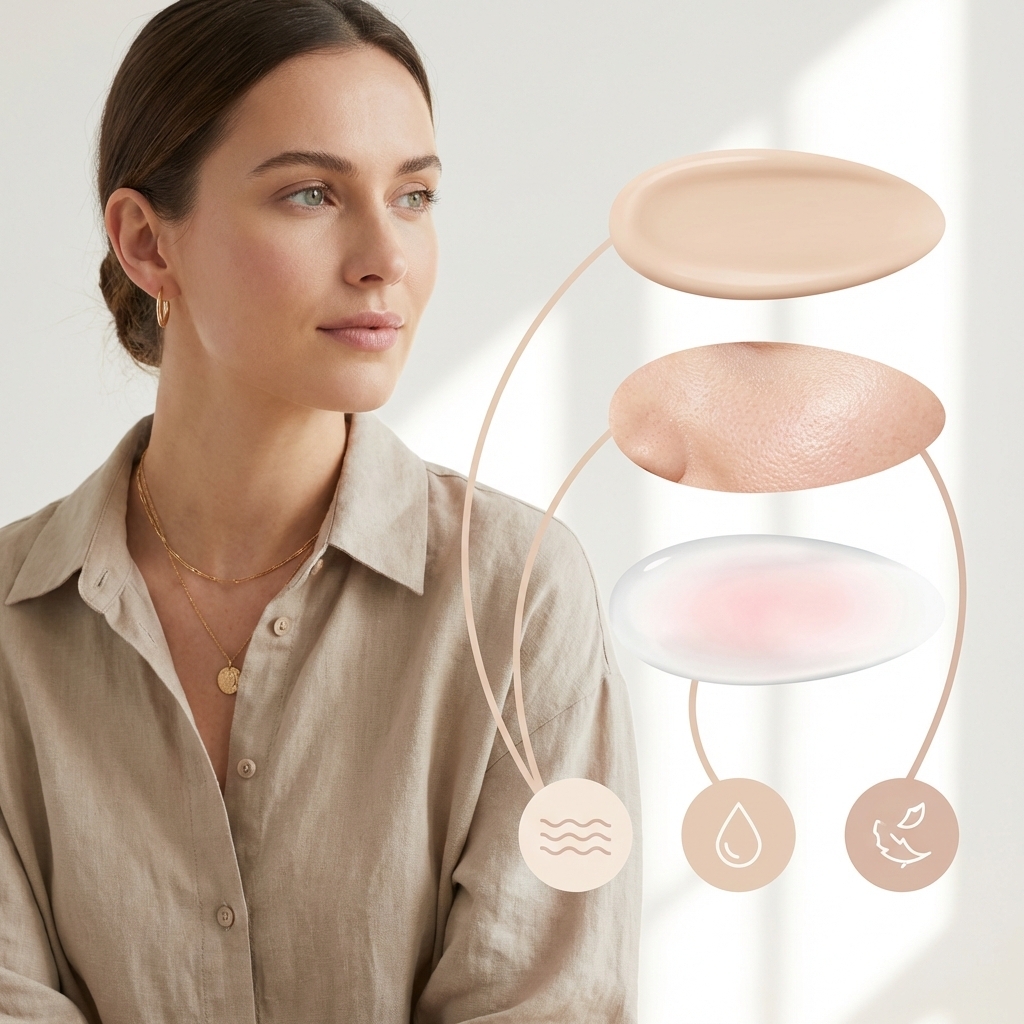
It starts with an honest look at your own skin. Two things come together here: its current condition and your personal tolerance. They may sound similar at first, but they mean different things.
Skin condition describes what you see and feel right now. Dry skin feels tight and produces little sebum. Oily skin shines, especially in the T-zone, and often has enlarged pores. Sensitive skin reacts quickly to external factors — with redness, mild tingling or a feeling of warmth. Many people have combination patterns, such as an oily forehead alongside dry cheeks.
Tolerance goes one step further. It shows how your skin actually responds to specific ingredients or friction. Two people with oily skin can react very differently to the same product. Factors include the thickness of the outermost skin layer, how sensitive your skin is to acids and how well it regenerates. The season, stress and your existing skincare routine can also change what your skin tolerates at a given moment.
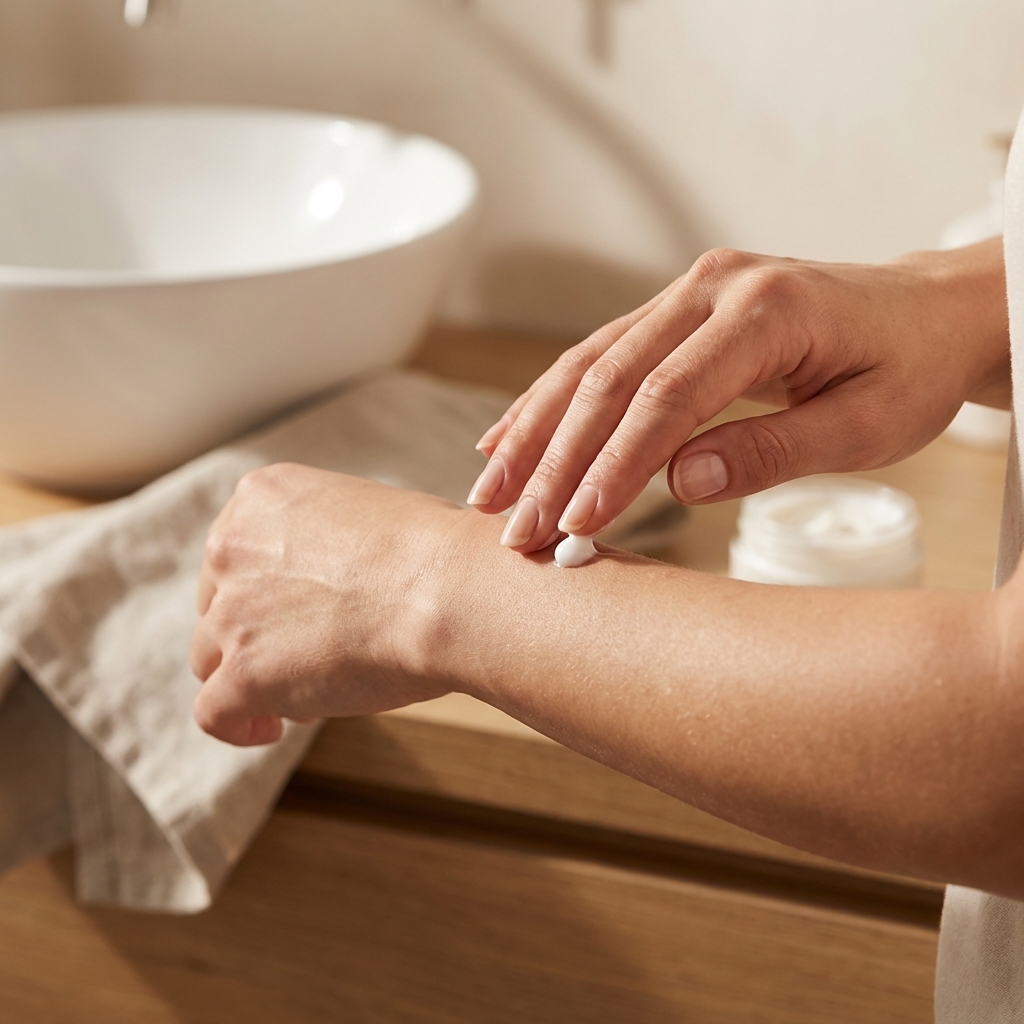
That is the key point: determining your skin type, although a good first step, does not by itself tell you which peel is truly suitable. Only when you consider both the visible condition and the actual response do you get a coherent picture. A so-called patch test can help: apply a small amount of the product to an inconspicuous area of skin and observe the response for several hours. This gives you a useful preliminary sense of your own tolerance.
Find the right peeling method for your skin condition
In general, you can choose from three types of peel, each with different strengths.
Chemical peels with AHA acids (such as glycolic acid) work on the skin’s surface and can also bind moisture in the horny layer. This is often a good combination for dry skin. BHA peels (salicylic acid), by contrast, are oil-soluble and penetrate deeper into pores. Especially for oily skin or skin prone to blemishes, an acid peel for blemish-prone skin often helps the complexion look clearer. Enzyme peels made from papaya or pineapple gently remove dead skin cells without mechanical friction. They are often the gentlest option for sensitive skin with low tolerance.
Mechanical peels with fine abrasive particles create friction and can stimulate circulation. They can work well on resilient skin. Sensitive or already irritated skin, however, is more likely to react with small injuries to the horny layer.
What many people underestimate is that tolerance is not fixed. It changes with the season, stress levels or new skincare products. Something that felt comfortable in autumn may suddenly cause irritation in spring after a cold. From our daily work, we know that a patch test is useful before every new product — not only the very first time.
In the end, the right method depends on the interaction between your skin condition, personal tolerance and the specific product. Skin type alone rarely gives a complete answer.
Which peel is right for you depends less on the latest trend than on your skin condition and how your skin responds to particular ingredients. A brief patch test can remove much of the uncertainty beforehand. After every application, hydration and sun protection support regeneration. If you are unsure about which type of exfoliation suits your skin, a short consultation can often bring clarity in just a few minutes. We would be happy to help: at Mary4Beauty, we offer individual skin advice and professional peel treatments tailored precisely to your skin condition and personal tolerance. Get personal, no-obligation advice at the studio, and we can find the peel that suits you best together.