
The treatment has barely finished, and already you may be itching to reach for your favourite makeup again. That is completely understandable. But whether you have had permanent makeup, Botox or fillers, your skin needs a break afterwards, when decorative cosmetics can do more harm than good. Applying makeup too soon risks shifting pigments, slowing wound healing or irritating the skin unnecessarily. The right time depends on the type of treatment, the area treated and, of course, how quickly your own skin recovers.
Healing phases at a glance: when can you wear makeup again after PMU, Botox or fillers?
Every cosmetic treatment sets a multi-stage repair process in motion in the skin. How soon you can safely reach for makeup again depends on the phase your skin is in and whether the skin barrier has closed sufficiently.
PMU: patience really matters here
After permanent makeup, the treated area initially behaves like a superficial wound. Swelling and redness appear in the first few days. Small scabs form sometime between day four and day ten – a clear sign that the skin is actively repairing itself. The barrier is not yet intact at this stage, and anything applied to the area from the outside can affect the healing process.
Beneath the surface, the implanted pigments need around three to four weeks to stabilise. Full tissue regeneration often takes up to six weeks. Only then can you really see what the final colour result will look like.
Botox and fillers: quicker, but not immediate
The surface heals much faster after Botox because there is no extensive injury. Even so, the tiny injection sites need a little time to recover. Hyaluronic acid filler treatments often cause swelling and sometimes small bruises. Once both have visibly subsided, healing is generally progressing well.
Every skin is different
Healing time varies from person to person, depending on skin type, the area treated and individual capacity to regenerate. The skin on the lips, for example, often needs considerably longer than the skin around the eyebrows. Time estimates are therefore useful guidelines. If your skin is reactive and prone to sensitivity, minimalist skincare can make a real difference during this phase. The most reliable way to tell whether your skin is ready is to look for visible signs of healing and, if in doubt, seek a professional assessment.
Choose the right products and avoid common healing-phase mistakes
What you apply to your skin during healing can affect the final result more than you might think. Recently treated skin reacts differently from healthy skin: it is more sensitive, more permeable and more vulnerable to anything applied to it. That is exactly why it is worth taking a closer look.
Choose gentle alternatives
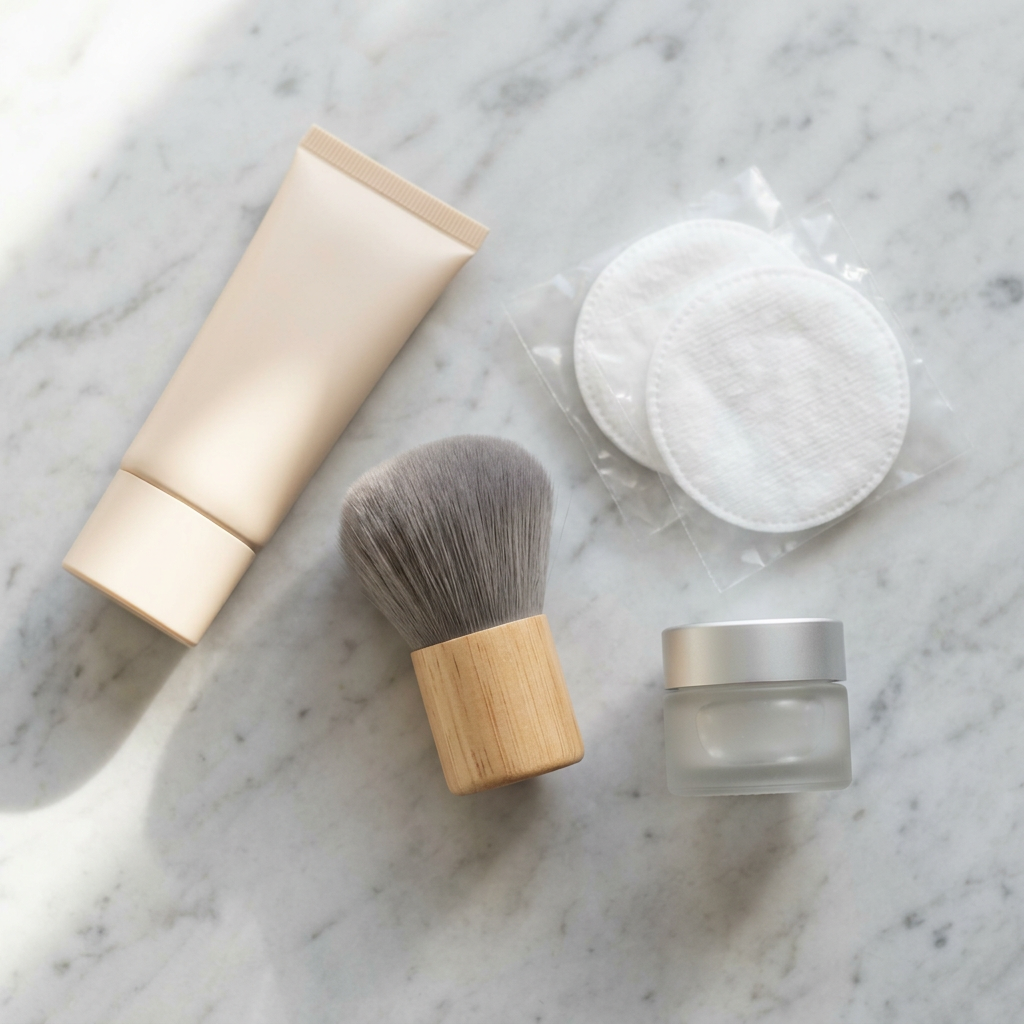
Mineral makeup and fragrance-free BB creams are much better tolerated. They generally contain fewer irritating ingredients than conventional foundation or concealer. Standard products often contain fragrances, silicones or comedogenic oils that can trigger unwanted reactions in skin that is regenerating. Choosing the right products makes a real difference, especially in the first few weeks after treatment.
Keep application hygienic
Clean disposable cotton swabs instead of fingertips – a small change that can noticeably reduce the risk of transferring germs. Take care when cleansing, too: harsh cleansing gels, exfoliants and alcohol-based toners can irritate the skin and interfere with pigment stabilisation.
The most common mistakes
Three things are often underestimated: applying makeup directly to the treated area too soon, picking off scabs and exposing the skin to the sun without protection. UV radiation can alter colour development after PMU and put additional strain on sensitive skin. Light sun protection should therefore be a regular part of aftercare.
Specialist aftercare products are formulated specifically for regenerating skin, much like the careful aftercare following microneedling. Everyday creams, by contrast, may contain ingredients that are less suitable during this sensitive phase, so it is always worth taking a quick look at the ingredient list.
In the end, it comes down to one thing: patience. Depending on the treatment, skin needs anywhere from a few days to several weeks to recover fully, and this process cannot be sped up. Gentle, fragrance-free products and careful hygiene help the skin most. If you experience unusual redness, persistent swelling or pain, it is a good idea to seek professional advice. A follow-up appointment after around four to six weeks can also help to complete the result.
If you would like personal support throughout the healing process, Mary4Beauty offers individual advice and professional aftercare following permanent makeup, Botox or fillers. If you are unsure exactly when your skin will be ready for makeup again, you are welcome to book a personal consultation. This gives you peace of mind and gives your skin the time it really needs.