
After a beauty treatment, everyday life often feels better when it can return to normal as soon as possible. Makeup can be a delicate point: covering the skin too soon, sun exposure or unsuitable products may place unnecessary stress on freshly treated skin.
Three things usually matter most: the right time to start, consistent UV protection and clean handling of cosmetics. Keeping these in mind can make it easier to return to a routine more calmly and confidently.
Choosing the right time: why waiting is often safer
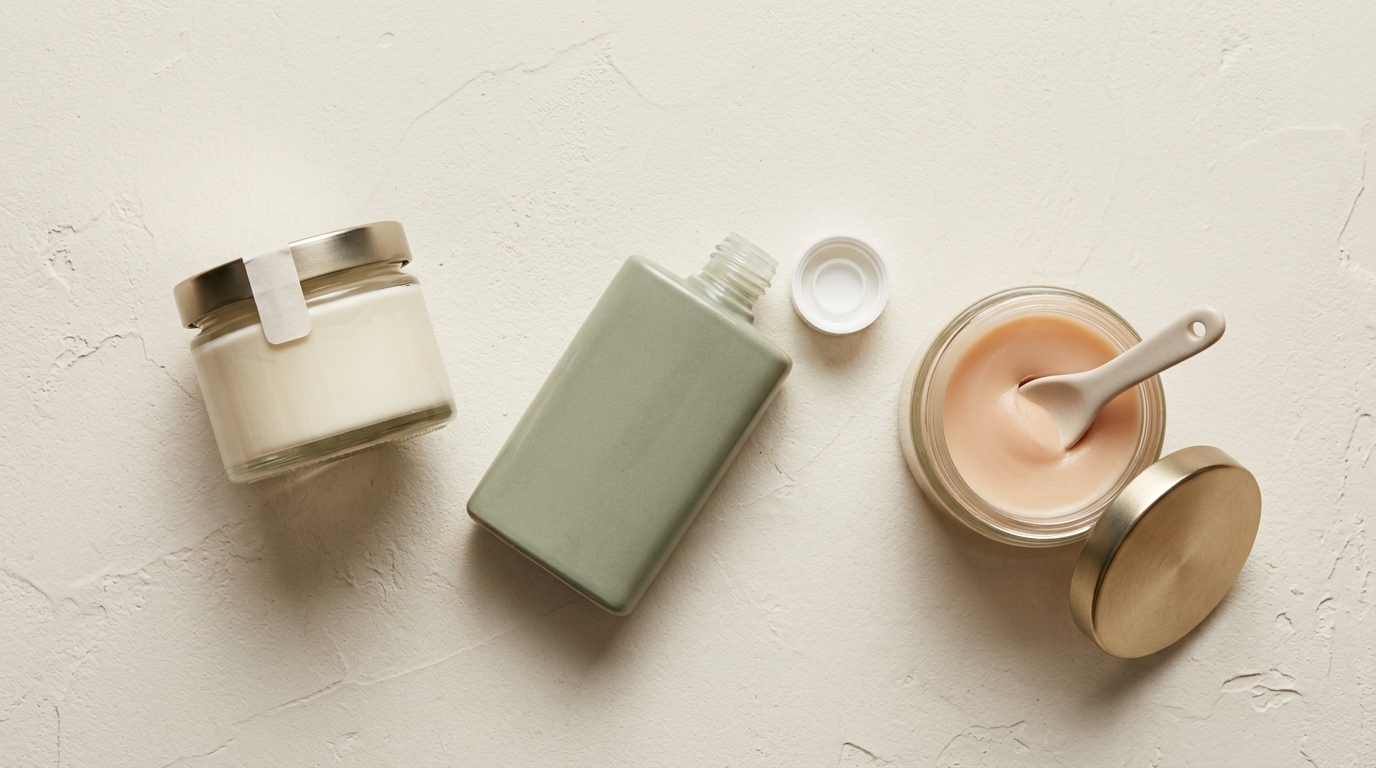
When returning to makeup after a treatment, timing matters most. In the first hours and days, treated skin is often more sensitive to friction, heat, UV exposure and additional products. It is usually less a matter of a fixed yes or no and more about sensitive periods.
After dermaplaning, the skin’s surface is often temporarily more reactive. With permanent makeup (PMU), the shade and appearance of the skin may also continue to change at first. The result often looks darker initially and then settles over time. The more recently the treatment was done, the lighter any additional stress should be.
As a general guide, three time frames are often mentioned: - the first 24 to 48 hours as a particularly sensitive phase, - around the first week, with closer attention to irritation, sun exposure and potent products, - several weeks until pigmentation has fully settled.
This applies to more than makeup. Sun exposure, heat, sweating, frequent touching and highly active ingredients also play a part. When sensitive skin is involved, a gradual return is often the calmer and safer choice.
Sun protection, hygiene and choosing the right products
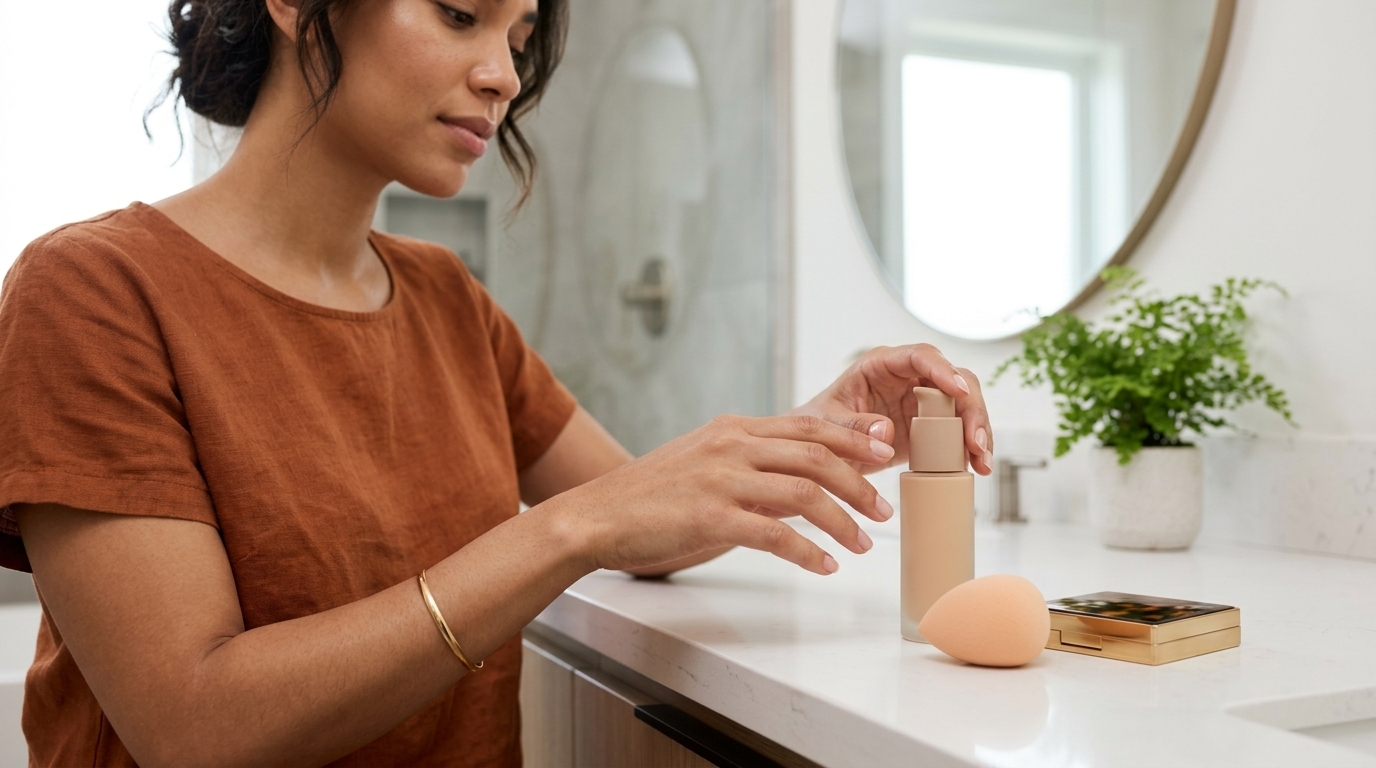
Returning to makeup usually comes down to three questions: How much can the skin handle now? How well is it protected from the sun? And how clean are the products being used? After dermaplaning or permanent makeup, the skin barrier is often temporarily more sensitive. That is why sun protection is not just an extra, but an important part of the routine.
UV exposure is often associated with visible skin irritation. With pigmentation, external factors can also make color and staying power a concern sooner. That is why UV protection matters not only on holiday, but in everyday life too.
Hygiene matters just as much. With foundation, powder, mascara and tools, the condition matters as much as the brand. Opened cosmetics do not last indefinitely, and applicators collect residue and moisture over time. During this phase, fresh products stored cleanly are usually a better choice than older, frequently used items. Pump dispensers, clean brushes and clean sponges are often considered the more hygienic option. Anyone who also wants to check shelf life, INCI and packaging can also get a better sense of product quality before buying.
The product formula itself also matters. Gentle, low-fragrance formulas for sensitive skin are usually a better fit than heavily perfumed, alcohol-rich or highly active products. The point is not only coverage, but the combination of protection, cleanliness and a calm skincare routine.
A safe return to makeup rarely starts with as many products as possible. Patience, protection and a calm routine are usually a better foundation. Paying attention to timing, UV protection and clean cosmetics can reduce unnecessary irritation and give the skin or pigment more time to settle.
If there is uncertainty or an unusual reaction, a brief check-in with the studio can help before returning fully to the usual routine.
If questions remain about returning to makeup, a short consultation is often the calmest next step. Mary4Beauty provides clear, practical aftercare advice for beauty treatments and supports confident decisions about skincare, appointments and returning to a routine; if needed, it is also possible to request a suitable appointment.