Acne scars almost never disappear on their own – most people know this from experience. Many want smoother skin but do not want to be taken in by empty promises. Microneedling has become an established method that can visibly improve depressed scars. But there is often a clear gap between advertising claims and what happens in practice. Knowing what is realistic after three to four sessions, and what proper aftercare involves, can make a first consultation feel much less daunting.
What microneedling does for acne scars – and what studies say
The principle behind an apparatus-based Microneedling treatment is surprisingly simple: fine needles create tiny injuries in the skin, known as microchannels. Your body responds with its own repair mechanisms and produces more collagen. This important protein gives your skin its structure and firmness.
With atrophic acne scars – the typical small indentations left after inflammatory acne – this is the key mechanism. Studies show that several types of collagen increase in the treated tissue after needling. The change is therefore not limited to the surface; it reaches targeted deeper layers of the skin.
Clinical studies provide some specific figures: in one study, the acne-scar score fell on average from 7.0 to 4.5 points over six months. Around 91 per cent of participants noticed a visible improvement. The scars disappeared completely for very few people, which underlines the importance of realistic expectations.
Microneedling compares well with other methods. Professional publications report effectiveness similar to that of a fractional erbium laser, often with better tolerability. Results are also similarly positive compared with certain active ingredients, such as tazarotene gel.
The overall picture is a realistic one: microneedling can noticeably improve the appearance of scars. The extent of the effect depends on the type and depth of the scars and on your individual skin. Some reliable long-term data are still lacking, which makes it harder to assess treatment parameters and possible combinations more precisely.
What to expect during treatment, aftercare and timing
A microneedling session usually follows an established sequence. First, the skin is thoroughly cleansed. An anaesthetic cream is then generally applied to make the treatment more comfortable. A special device – often a Dermapen – is used to introduce fine needles into the skin’s surface. For facial acne scars, needle lengths of up to 1.5 mm are often used. Depending on the area, a session takes around 20 to 45 minutes.
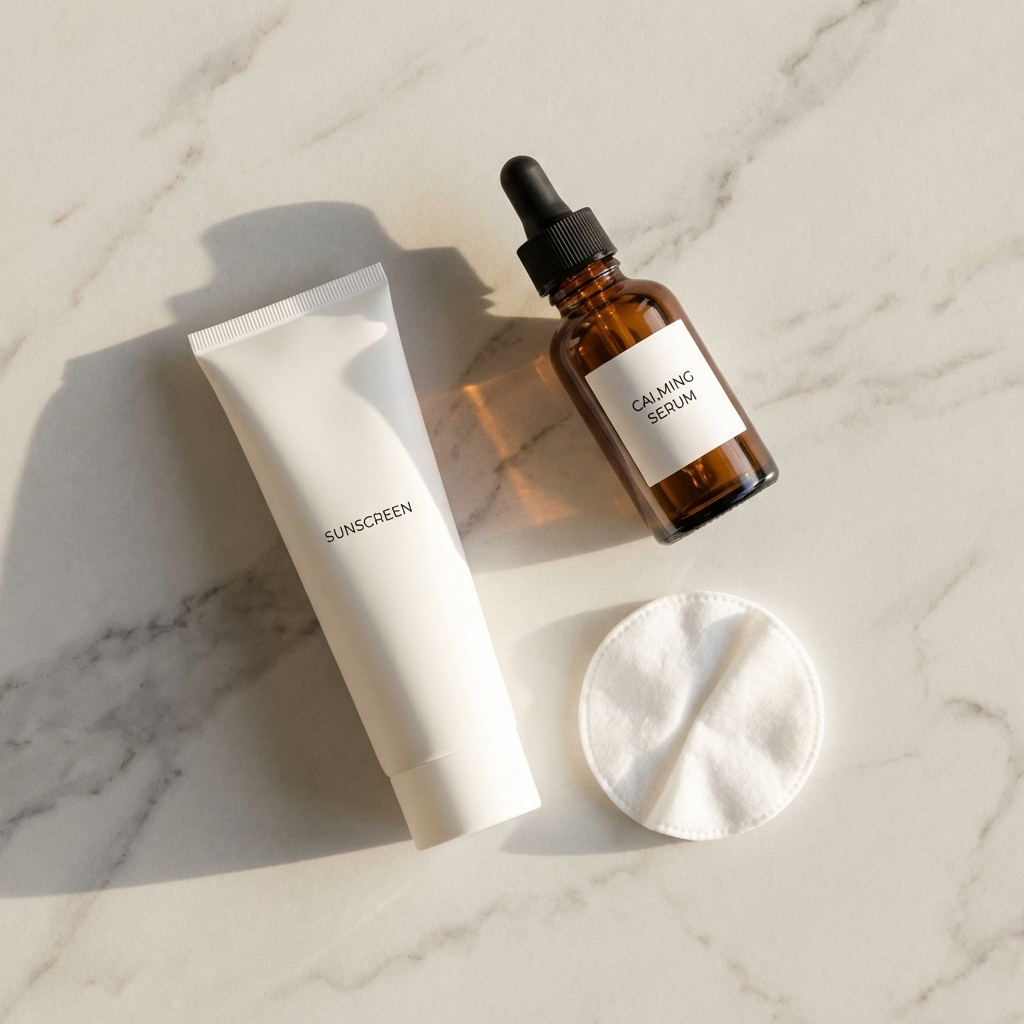
Afterwards, the skin is typically a little red or slightly swollen, but this usually settles within a few days. During this healing phase, soothing care is especially important: keep the skin hydrated, apply sun protection consistently and avoid anything that could irritate it further. Your skin simply needs a few quiet days so that regeneration can get under way.
Most practices plan for around three treatments, spaced four to six weeks apart. The first visible changes often appear after three to four weeks. The full effect of increased collagen production can take up to six months. The long-term effects of skincare take time, so patience is important.
The degree of improvement varies from person to person. The type of scar, your skin’s general condition and the number of sessions all play a noticeable part.
Microneedling therefore offers a realistic chance of visibly smoothing acne scars – not making them flawless, but making a noticeable difference. Three to four sessions over several weeks are typical, while the final improvement in skin texture builds gradually over months. Consistent aftercare with enough moisture and sun protection greatly supports the skin’s regeneration process.
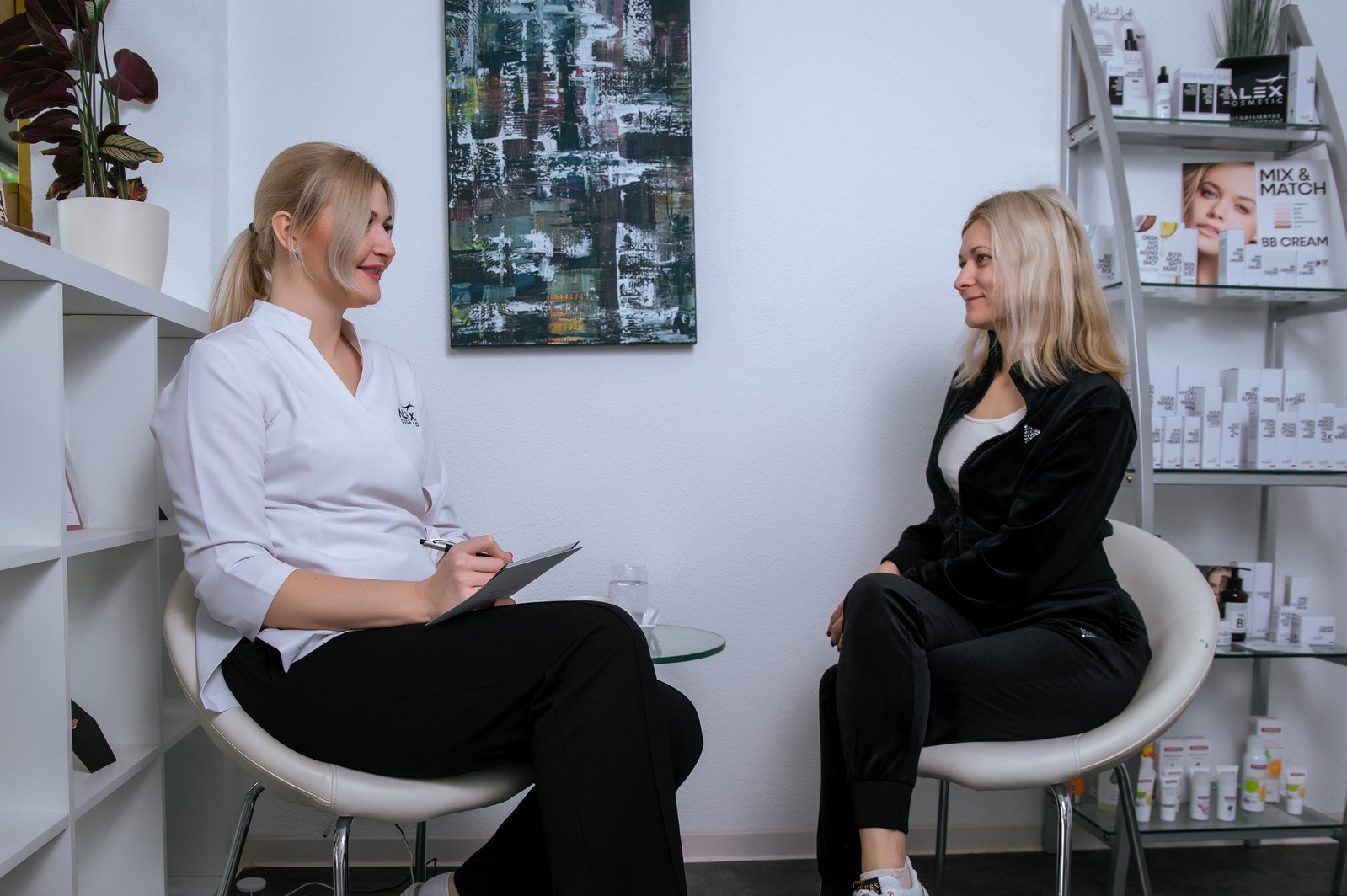
Knowing your scar type and raising any questions during the consultation can help you approach treatment more calmly, with expectations that match reality. That is where we at Mary4Beauty come in: as a professional beauty studio, we offer individual advice and skincare treatments tailored to you to support your skin as well as possible.
Would you like to find out at your own pace whether microneedling is suitable for your individual skin needs? Book a no-obligation consultation – together, we can look at the realistic options for you and smoother-looking skin.