
Sensitive skin does not automatically rule out microneedling. What matters is the current state of the skin barrier—the protective layer that keeps moisture in the skin and helps block irritants. Burning, tightness, fresh redness or areas that look inflamed change the starting point considerably.
Anyone unsure before an appointment benefits from a clear assessment: Does the skin seem resilient enough right now, does it need rest, or should a professional opinion come first?
When the skin barrier needs to come first
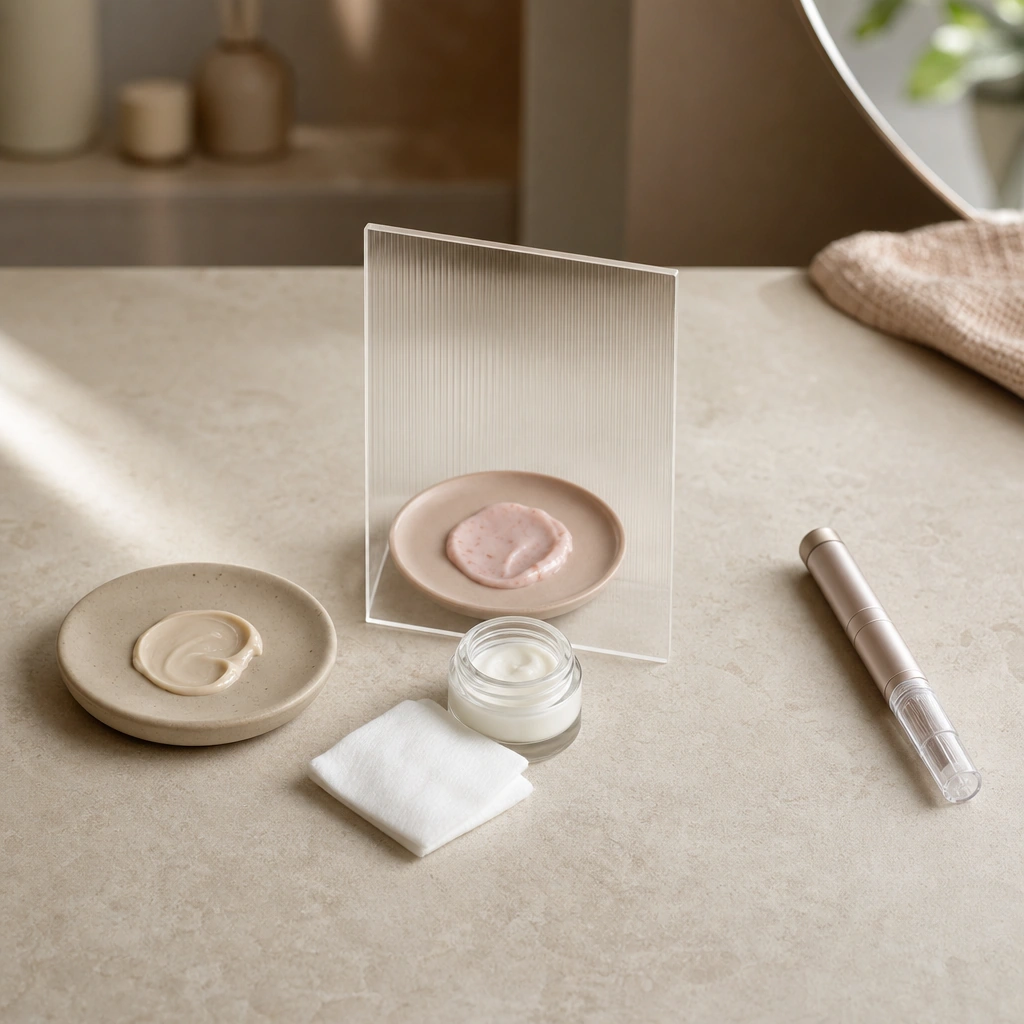
For microneedling on sensitive skin, skin type alone is not enough. What matters more is how the surface looks and feels right now: calm, resilient and not very reactive—or irritated, dry, overheated and quick to turn red. In the second case, choosing the gentlest option is not the main issue. The first question is how much the skin can tolerate.
Sensitive skin can be quite stable in everyday life. But it can also go through phases when it reacts to mild skincare with burning, stinging or tightness. This difference matters for microneedling because the treatment deliberately creates small mechanical stimuli. If the barrier is already irritated, the same stimulus may be felt more strongly and keep the skin unsettled for longer.
Stop signals include active irritation, areas that look inflamed, skin infections, sunburn or highly unpredictable reactions. Skin conditions such as rosacea, atopic dermatitis or a tendency to eczema are cases to clarify rather than simple yes-or-no situations. Sensitivity alone does not tell you enough; the barrier's actual condition changes the assessment. The article on the skin barrier explains how this protective layer works.
A weakened skin barrier cannot simply be “repaired” with microneedling. The procedure creates a stimulus. When the skin is calm, technique, depth, pressure and hygiene can be discussed. With a compromised barrier, soothing care and a professional assessment come first.
Which microneedling approach may be more cautious

With a sensitive skin barrier, the most cautious option is not automatically the one that sounds gentlest. Here, caution means low stimulus intensity, a well-controlled technique and clean working conditions. The current skin condition remains the first filter.
When comparing a Dermapen and a Dermaroller, the Dermapen is often described as easier to control during professional microneedling because needle depth and pressure can be adjusted more precisely. A Dermaroller moves across the skin in a rolling motion, creating a different kind of mechanical stress. That matters for sensitive skin: uneven pressure or strong friction can further irritate a reactive barrier. This is not a blanket recommendation against one device. It does, however, shift the focus clearly towards control rather than intensity.
Treatment depth also changes the assessment. The stronger the mechanical stimulus, the greater the potential for irritation may be. If the skin already reacts to skincare with burning, stinging or marked tightness, device choice is not the first priority. Skin tolerance is the real question.
Hygiene is the second major difference. Professional settings usually have more structure: sterile tips, clean preparation and a controlled procedure. Home-use settings do not always offer this in the same way. Small mistakes can carry more weight with sensitive skin. Caution comes from the combination of technique, skin condition and hygiene—not from a marketing promise that simply sounds gentle.
With sensitive skin, choosing the right time matters more than getting treatment as quickly as possible. A calm, resilient barrier is a different starting point from skin that burns, feels tight or looks visibly irritated. Technique, low stimulus intensity, hygiene and aftercare belong together.
If there is uncertainty, a consultation can help assess current reactions, skincare products and previous experiences before planning microneedling.
Mary4Beauty helps assess cosmetic treatments in relation to the current condition of the skin and plan the next step without pressure. If the skin\'s reaction is hard to assess, you can book a consultation at Mary4Beauty to work out whether microneedling is suitable now or whether the skin needs time to recover first.