After microneedling, the skin often feels warm or tight, or looks red. This sensitive phase is when most aftercare mistakes happen: too many products, too many “actives” and too much friction.
What usually works better is the opposite: a calm, manageable routine. Keeping things simple in the first few days gives the skin a better chance to visibly settle and look more even—without unnecessary irritants or unrealistic expectations. The article Microneedling for Beginners, if you are just getting started, may also help you understand the process and aftercare.
Cleaning your face, moisturiser and make-up after microneedling
When can I wear makeup again after microneedling?
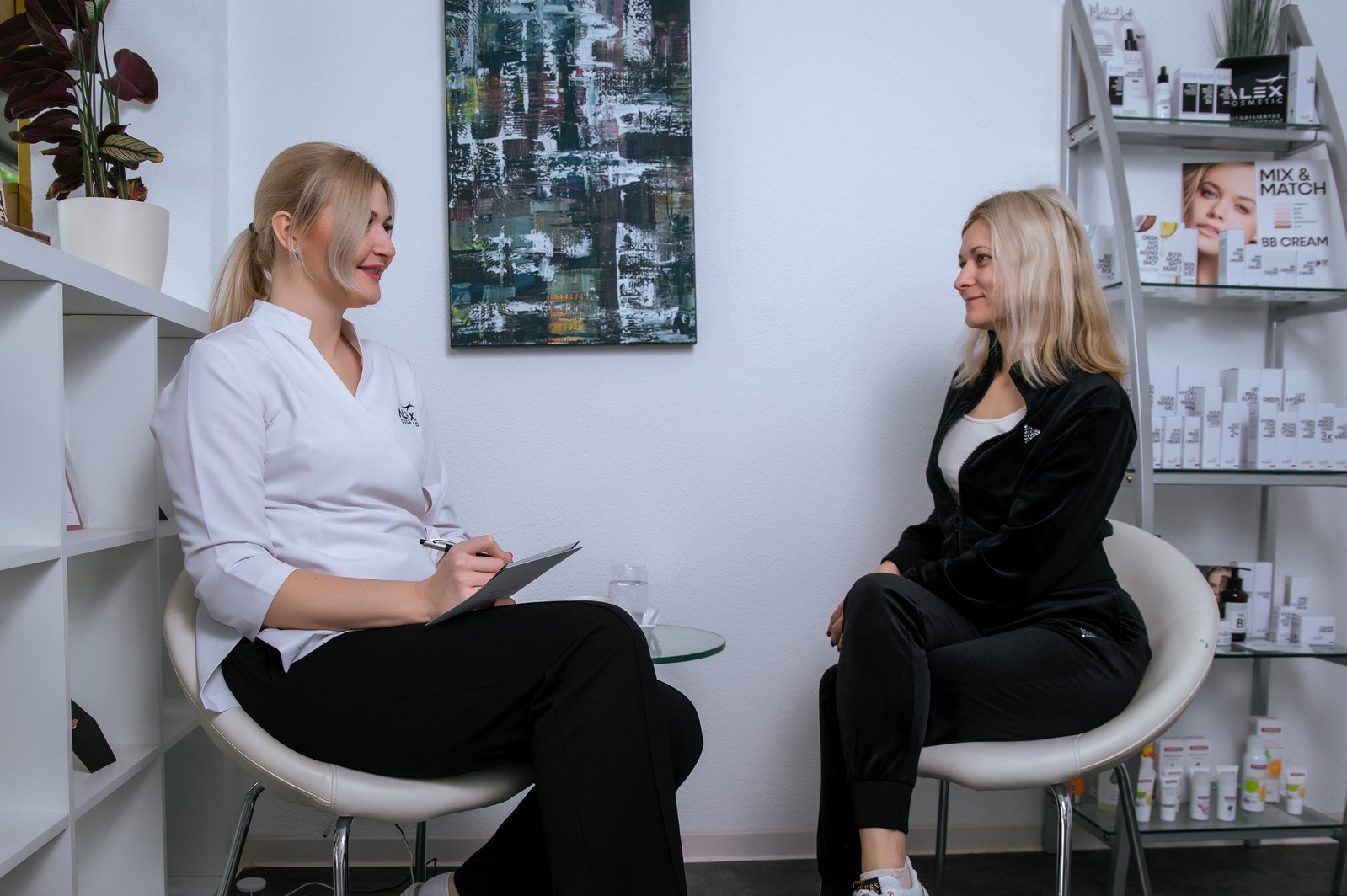
Follow the aftercare plan from your appointment. Ask when you can start wearing makeup again and whether there are any products you should pause for longer.
Follow the aftercare plan you receive at your appointment. If you’re unsure when you can wash your face or use moisturiser again, ask before you leave. When you do start cleansing again, be gentle and avoid rubbing. Keep hydration simple with products you already tolerate well.
It helps to ask about your own routine: the make-up you wear, the exfoliant you use or any retinol products. Ask which ones to pause and what to consider before going back to your usual routine.
Your first week at a glance
- On the day. Follow the care plan agreed for your appointment and check what you can apply that evening.
- Once your skin settles. Ask when you can return to your usual skincare and make-up.
- If recovery differs from what you discussed. Contact the practitioner who treated you, especially if symptoms are getting worse.
The first 24 hours: calm the skin and reduce irritants
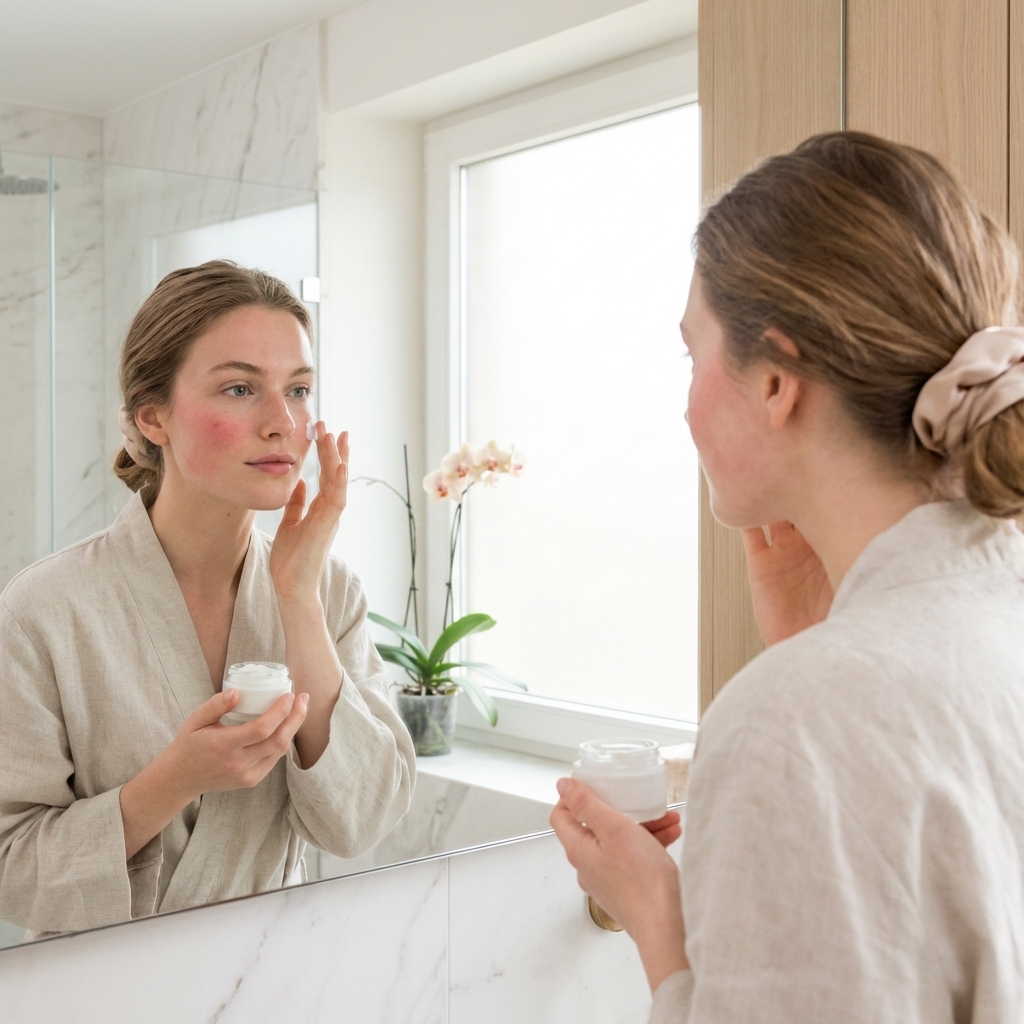
During the first 24 hours, the skin often seems much more reactive than usual. Redness, warmth or a feeling of tightness are often described as typical accompanying effects. At this stage, it is less about “more skincare” and more about what you leave out.
Aim: Leave the skin as undisturbed as possible while protecting it from external irritants. Prerequisite: Clean hands and a routine with only a few well-tolerated products.
Step by step (first 24 hours): 1) Observe rather than trying to correct things: The skin may visibly be “doing its thing”—this is often described in reports. 2) Be gentle: minimise friction; no rubbing or mechanical exfoliation. 3) Keep hydration simple: light, well-tolerated textures for comfort, without lots of layers. 4) Pause fragrance and “actives”: Strong ingredients (e.g. acids, retinol) are often associated with additional irritation during this time. 5) Keep UV in mind: Sun protection is often described as a key protective factor, especially if the skin is red.
Two extremes are common pitfalls: treating aftercare as an afterthought (“it’s minimally invasive, after all”) or piling on products to “push” results. Both often stem from the same desire for control. In these hours, simple measures tend to matter most: calm, gentleness and consistency.
Days 2–7: a simple routine, sun protection and a realistic course
During days 2–7, aftercare becomes practical: a routine that fits into everyday life and does not give the skin extra “work”. Many people find their skin reacts more to fragrance, friction and highly active formulations during this time. Fewer variables often mean less stress for the skin.
A simple three-part approach can help you stick with it: - Gentle cleansing: removes residue without leaving the skin feeling “squeaky clean”. - Moisture/barrier comfort: soothes dryness and tightness and acts as a buffer. - Sun protection: not a minor detail, but a factor in how calm and even the skin looks.
Why sun protection is emphasised so often: UV is considered an external stressor that can prolong signs of irritation and personal accounts often associate it with less even-looking results.
A realistic timeline for results: Immediately after treatment, short-term effects are often noticeable—for example, a dewy look from skincare, temporary redness or small uneven areas. The “actual result” is described more as a gradual process: the skin’s appearance settles step by step and looks more even, rather than changing measurably straight away.
Mini check (for you): - Does your routine stay much the same each day, or are you constantly adding new products? - Does your skin feel calmer after skincare—or hotter and more sensitive?
FAQ (brief): Q: When will I see results? A: Often as a calmer, more even course over time—not as an immediate effect. Q: Why should I pause ingredients such as acids/retinol? A: At this stage, they are often experienced as an additional source of irritation. Q: Can I wear make-up? A: Many people leave it off for the first few days to reduce friction and “layers”. Q: How do I recognise overdoing skincare? A: If you feel you need more and more products but your skin becomes less settled, simplifying is often sensible. Q: What if redness or burning lasts unusually long? A: It can help to discuss this early with a skincare professional.
With microneedling aftercare, the simple approach usually wins: cleanse gently, moisturise comfortably and protect consistently from the sun. In the first 24 hours, calm is the priority; during days 2–7, a consistent, less irritating routine makes the difference.
Seeing results as a gradual process and avoiding overdoing skincare can take the pressure off your skin. If you are unsure, or redness/burning lasts unusually long, a brief check with a skincare professional—or a conversation about microneedling at the studio —may help you feel more at ease.
If you are unsure which products your skin is tolerating well after microneedling, a short personal aftercare consultation may help—with a focus on a simple, well-tolerated routine that suits how your skin feels and your everyday life. You can check available appointments online.