Anyone searching for “skin tightening without surgery” quickly comes across big promises. In reality, other questions matter more: how does Ultherapy/HIFU actually work, how strongly can you feel the treatment — and when do you really see a change?
Focused ultrasound can gently define contours and make wrinkles look less pronounced. People interested in firmer skin without surgery quickly realise that the hype matters less than what is realistic for their starting point. It is important to keep expectations realistic because results usually build step by step.
How Ultherapy/HIFU works: focus, depth and why results take time

Ultherapy or HIFU (focused ultrasound) is used for skin tightening because its energy is concentrated at specific depths rather than working on the surface like “sanding”. Many explanations emphasise exactly this: the skin surface remains largely undisturbed while targeted pulses of heat are delivered deeper down.
The key is the focus. Instead of simply heating a large area evenly, the system works precisely at set points and depths. The SMAS layer is often mentioned in this context — a supporting structure that is also important in surgical lifts. That is why Ultherapy/HIFU is often described as an “ultrasound lift”: less focus on the surface, more on firmness and supporting structure.
The visible effect usually does not arrive as an immediate “wow lift”; it comes through tissue remodelling. Collagen and elastin production are often mentioned in this context — and that takes time. The first changes may stand out to some people earlier, while the full result tends to develop over 3–6 months.
How much the contours of the face, neck or décolleté change in the end depends in practice on the starting point, the treatment area and the individual response to the pulses. These points are often discussed as part of an anti-ageing treatment and a clear discussion of your goals. Ultherapy/HIFU is therefore usually described for mild to moderate laxity — and not as a complete replacement for a surgical facelift.
Realistic expectations: suitability, sensation, results, duration — and common misconceptions

When people read “reduce wrinkles” and “tighten skin”, they can quickly picture a clear before-and-after result. In many cases, Ultherapy/HIFU results are subtler: more a gradual feeling of firmer skin and a gentle update to the contours than an abrupt reshaping.
When is it often a good fit? Many descriptions focus on mild to moderate laxity of the face, neck or décolleté — that is, when the skin can still respond well to stimulation. With more pronounced changes, other expectations or categories of procedures are often discussed, for example classic facial treatments as a skincare complement, or surgical options. That is exactly why Ultherapy/HIFU is not considered a like-for-like replacement for a surgical facelift.
What does it feel like? It varies considerably. People often describe localised warmth, pressure or a brief stinging sensation along the treated lines. Accounts range from “quite manageable” to “noticeable”.
Timing & duration (typical figures): Some tightening may be noticeable earlier, while the fuller result often appears over several months (commonly cited: 3–6 months). The effect is often said to last around 2 years; some sources also mention a later top-up, depending on the person.
Mini-check (2 questions): - Are you looking for natural-looking tightening rather than a dramatic, immediate lift? - Does a result that builds gradually fit your schedule and expectations?
Common misconceptions include: “non-invasive means the same as surgery”, “results are immediately dramatic”, “one treatment lasts for ever” or “every skin responds in the same way”. A more realistic expectation is a gradual, natural-looking change that varies in degree from person to person.
Ultherapy/HIFU can make contours look visibly fresher when the skin has only mild to moderate laxity. Timing is the key point: results often appear in stages and tend to look natural rather than “done”.
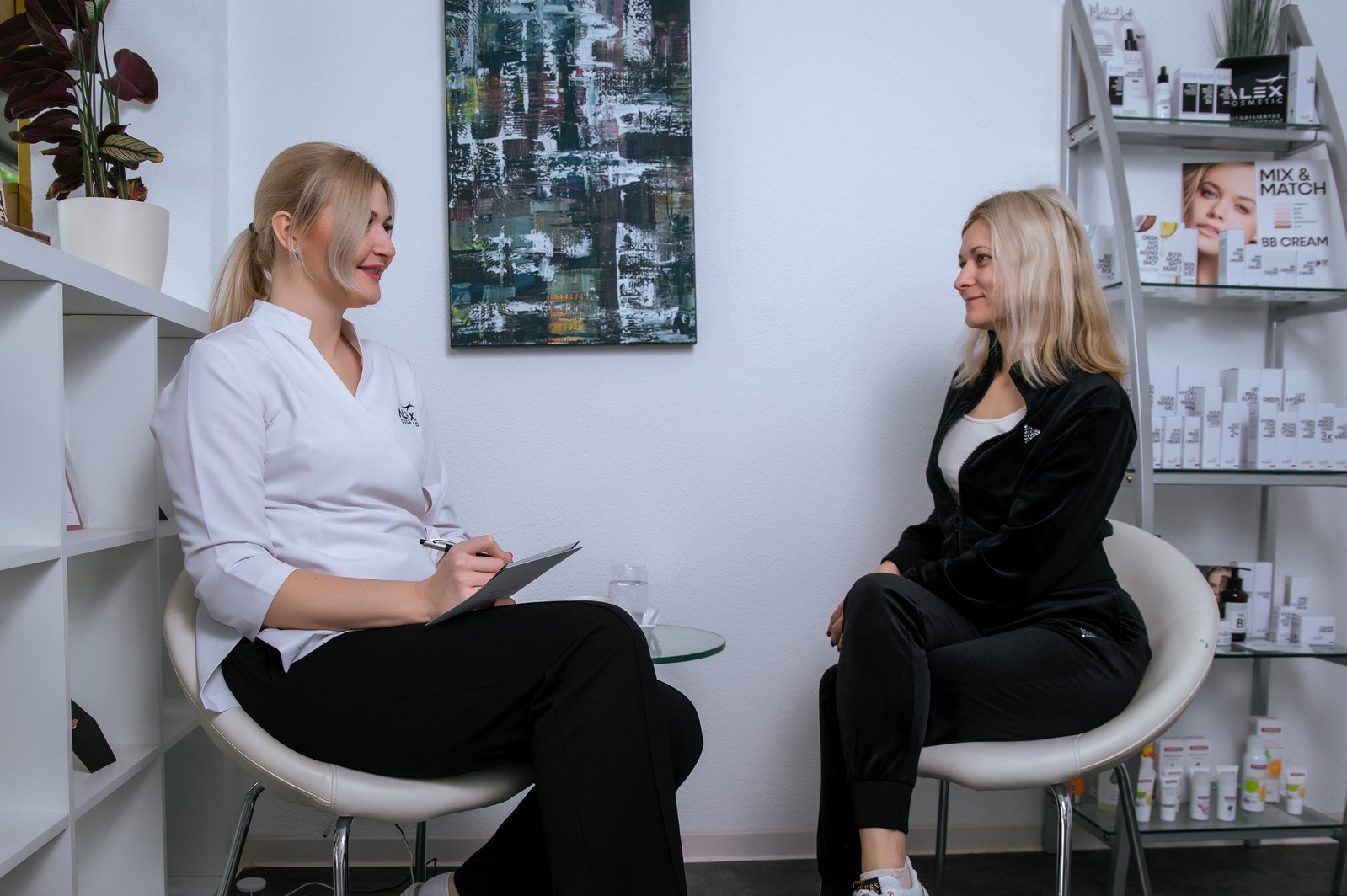
If you are considering treatment, clear expectations about the sensation, timeframe (often 3–6 months) and limitations are most helpful. A personal assessment can clarify whether an ultrasound lift suits your starting point.
At Mary4Beauty, the focus is on advice about anti-ageing and non-surgical skin tightening — with clear goal-setting, realistic expectations, and safe, hygienic procedures.
If you would like to know whether Ultherapy/HIFU suits your goals, a consultation is often the most comfortable next step. It gives you an honest assessment and a treatment plan suited to your skin and timeframe.