
BfR and SCCS consider parabens in cosmetics safe when used within EU limits. A Utopia article, most recently revised on 14 January 2026, summarises the assessments and explains why stricter rules apply to products for babies and young children.
Parabens: what they are used for—and why they are controversial
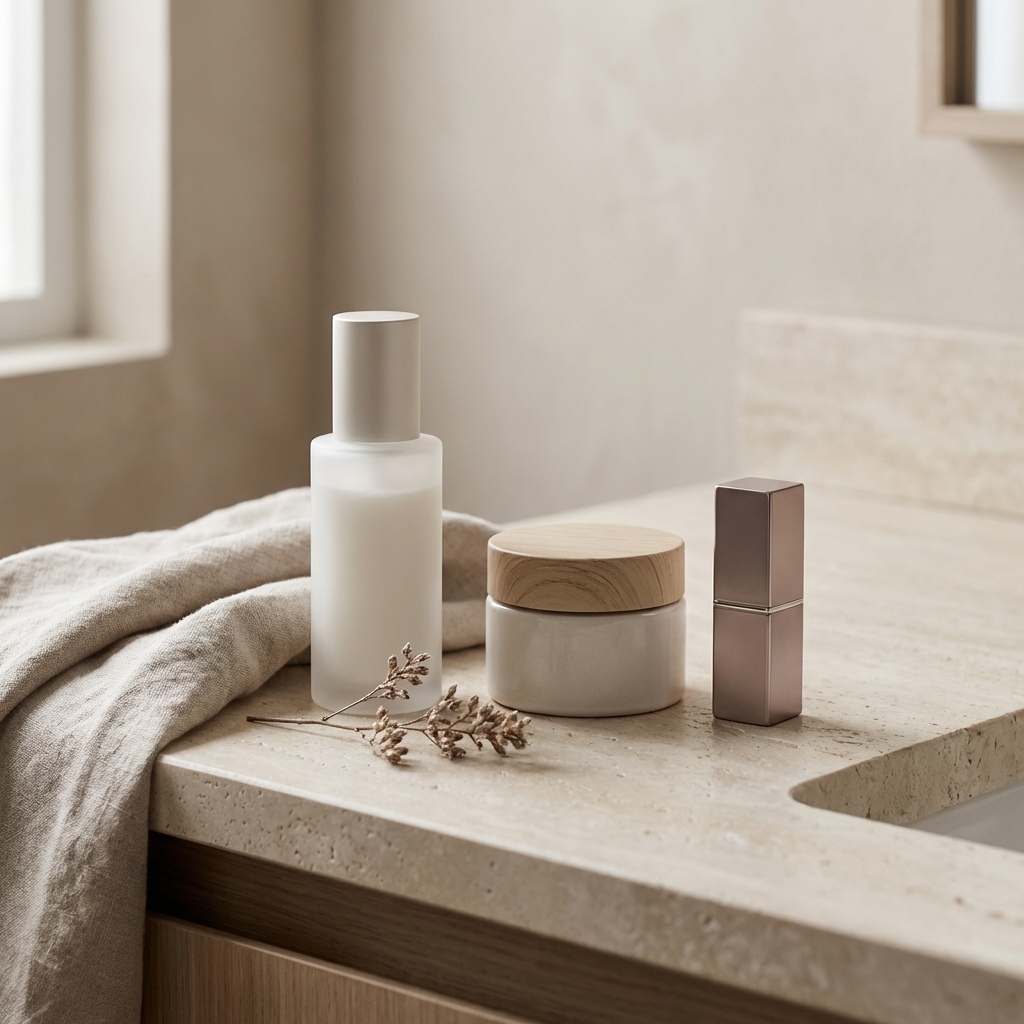
Parabens are preservatives. They are used in cosmetics and medicines. According to Utopia, chemically they are salts and esters of para-hydroxybenzoic acid. They have antibacterial properties and extend the shelf life of products such as creams, lotions, lipsticks, shower lotions and sun lotions. Many of these products are also used during classic facial treatments at salons.
Compared with many other preservatives, their allergy risk is considered relatively low. According to the article, methylparaben, ethylparaben, propylparaben and butylparaben are approved for cosmetics.
Criticism mainly concerns possible hormonal effects. In 2011, BfR wrote that, in laboratory tests (in vitro), the longer-chain butylparabens and propylparabens in particular show oestrogen-like activity. Studies in living organisms (in vivo) have produced inconsistent results, according to the article; overall, the hormonal activity is described as very low.
Possible accumulation in the body is also often discussed. Parabens can be absorbed through the skin, but according to the article they are not thought to accumulate; most are excreted after 24 hours.
A British study from 2004 is often cited in the cancer debate; it detected parabens in breast-cancer tumour tissue. In 2011, BfR emphasised that this was not evidence that parabens cause breast cancer; no clear link has been established to date.
EU limits and rules for children: what is allowed—and what has been banned
According to the revised Utopia article (as of 14 January 2026), the European Commission permits only very small amounts of parabens in cosmetics. The reason given is that not all effects in humans have been fully researched. Additional restrictions apply to babies and young children.
The limits listed in the article are: methylparaben and ethylparaben up to 0.4%, propylparaben up to 0.19% and butylparaben up to 0.14%. According to the article, butylparaben is prohibited in cosmetics for babies under three.
According to the article, isopropylparaben, isobutylparaben, phenylparaben, benzylparaben and pentylparaben are completely prohibited in cosmetics.
In an FAQ, BfR says the risk should be kept “as low as possible”. According to the recommendation of the Scientific Committee on Consumer Safety (SCCS), no adverse health effects are expected within the guideline values. Those who also use tools to check ingredient lists in everyday life can find an overview of how apps scan ingredients by barcode —and where their limits lie.
Since 2015, butylparaben and propylparaben have also been prohibited in leave-on products for children under three, such as creams for the nappy area. The BfR FAQ (2024) also states: methylparaben up to 0.4% on its own or up to 0.8% in a mixture, without restrictions in all cosmetics.
A 2025 SCCS opinion considers 0.14% butylparaben in a single product (e.g. a cream or toothpaste) safe, but notes that using several products at the same time could increase risks. This is one reason the debate remains part of everyday life—especially where many products are used one after another, such as in device-based cosmetology or at a spa.
The article also stresses that “paraben-free” is not automatically the better choice. Some substitutes may involve more alcohol (drying) or essential substances (allergies).
The assessments by BfR and SCCS shift the paraben debate away from broad yes-or-no questions towards amounts, product groups and combinations. For salon and spa clients, this is particularly relevant to products for children and to using several skincare products at the same time.
If you would like to make ingredient information a little easier to understand, mary4.beauty offers clear background information on cosmetic ingredients and helps you assess product details and reviews more calmly.
This makes it easier to understand more about ingredients step by step and put them into context in everyday life—not just parabens.