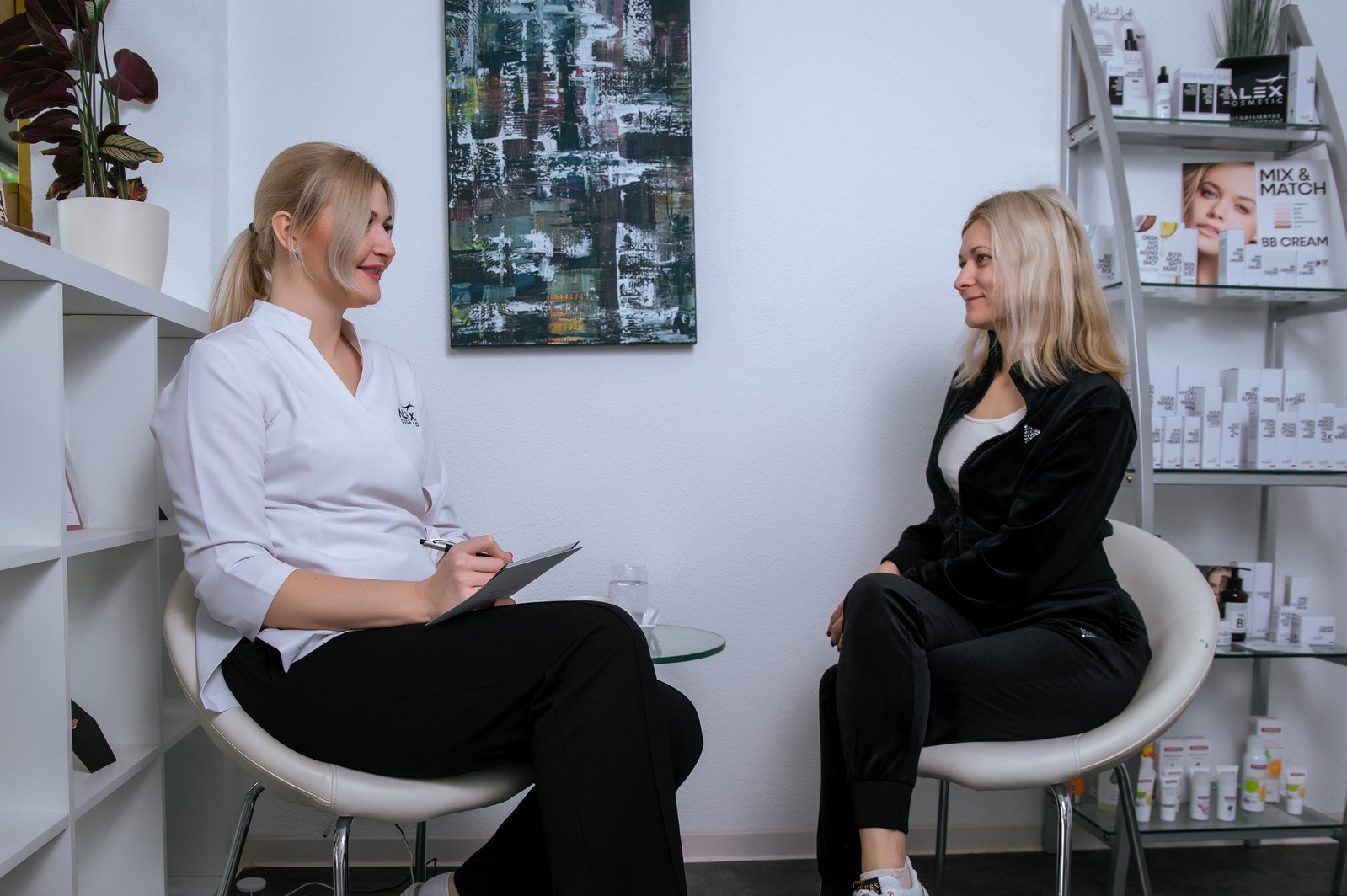
When your skin suddenly feels unsettled, it is easy to reach for the next new product. The thing is, skin usually improves over weeks — not overnight. If you want a sense of when results become visible and how long they realistically last, it helps to think in weeks rather than days. A small, consistent routine can bring real relief: it eases the strain of daily irritants on your skin and gives your complexion a chance to settle.
This is a simple framework that fits into everyday life, with clear signs of when less really can be more.
The 10-Minute Basic Routine (Morning and Evening)
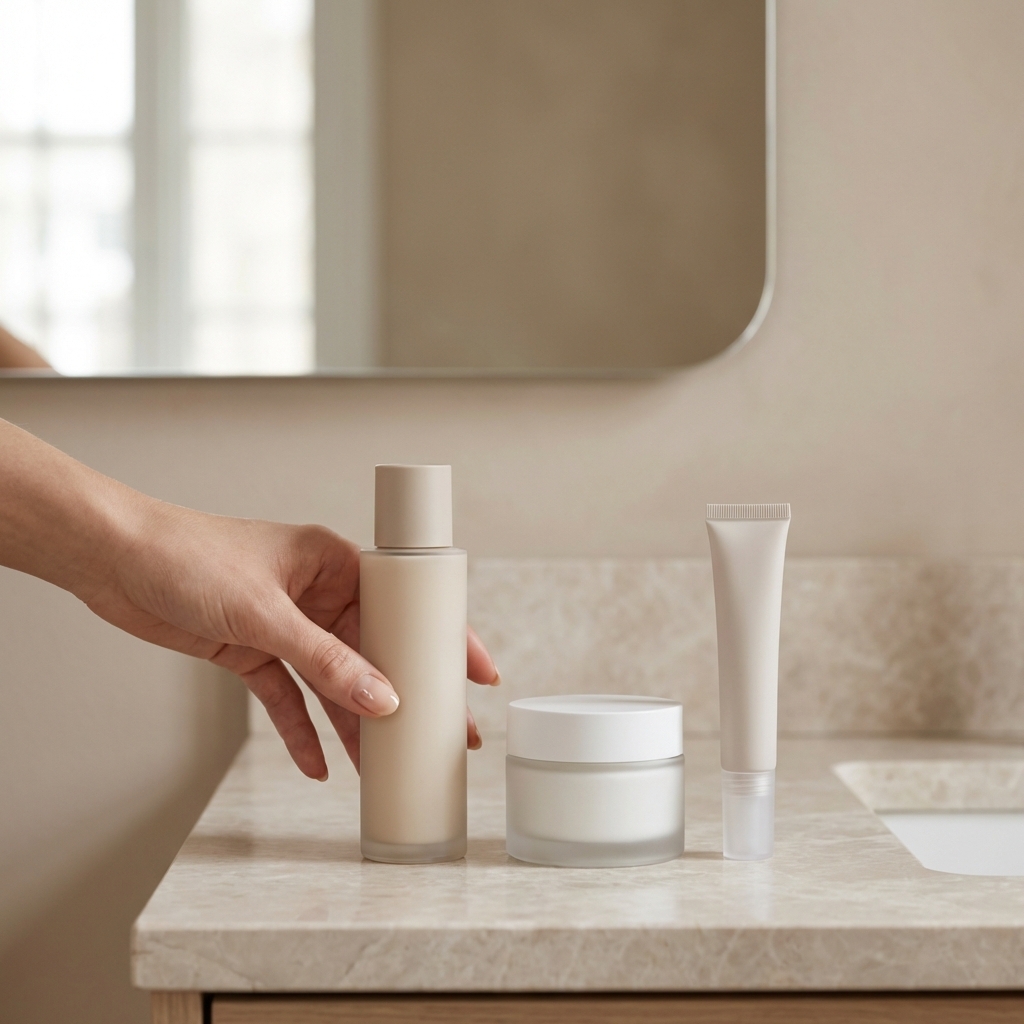
A good basic routine may seem unremarkable at first — and that is exactly what makes it so effective. Skin health often improves when cleansing, skincare and protection work together consistently and gently over several weeks. This reduces ongoing stress on the skin and makes changes easier to notice.
1) Cleanse (gently, without that “squeaky-clean” feeling) A clean feeling is enough. That “squeaky” sensation may indicate that too much of the skin’s natural protective film has been removed.
2) Moisturise (hydration + a comfortable protective film) More layers do not automatically mean better results. Signs of overdoing skincare often appear sooner than signs of doing too little — for example, stinging, tightness or suddenly much more shine.
3) Protect (sun protection — every day) Sun protection is not an extra for special days; it is a consistency factor that shapes your complexion over the long term.
Mini check (after 3–7 days): Stinging or tightness after skincare? Strong shine at midday? Flaky patches? Often, simply making your routine easier is enough.
Common mistakes: changing products too often, using too many active products, and exfoliating too harshly.
Mini quiz: What will help more today — a new serum or six weeks of consistency? How can you tell when your skin is getting “too much”?
Lifestyle and Active Ingredients: What Speeds Things Up — and What Slows Them Down
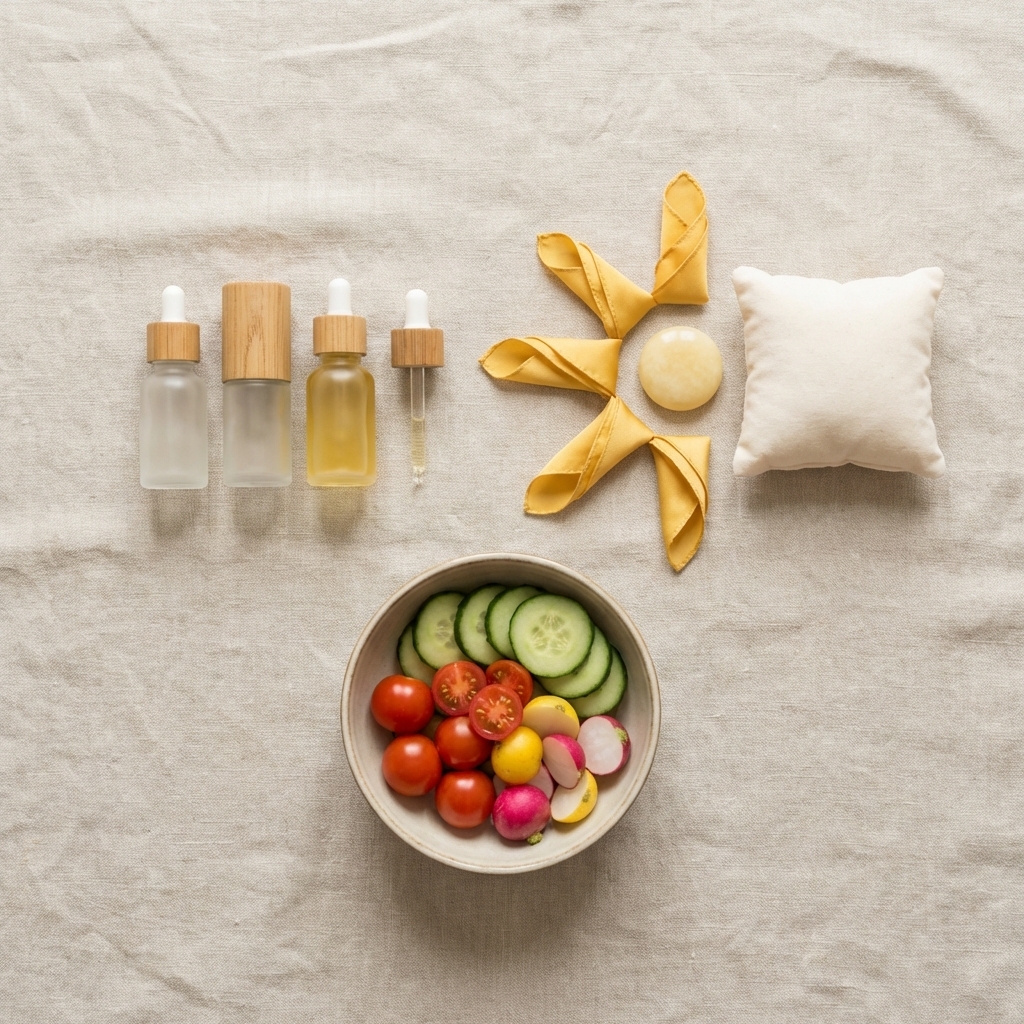
Faster results can feel like a matter of finding the right product. In everyday life, it is usually a mix of daily rhythm, level of irritation and patience. Periods of redness, tightness or more unevenness are often linked to too little sleep or ongoing stress — without any one product having to be “at fault”.
Sleep and stress: When recovery is lacking, skin often feels more sensitive and quickly becomes unsettled.
Food and drink: They can help, but rarely work miracles. Responses to sugar, alcohol or highly processed foods vary widely — think of them as part of the overall picture, not an immediate fix.
Active ingredients, used thoughtfully: Many ingredients show their benefits only over weeks. If you start too many at once or keep switching, the skin barrier may become irritated sooner — and even good products can suddenly feel “too strong”.
Environment and habits: UV exposure occurs all year round. Friction, dirty tools or not removing make-up thoroughly can also affect how your skin feels and looks.
Troubleshooting: If things clearly get worse, a calmer, pared-back routine often brings clarity fastest. If you have severe inflammation, persistent symptoms or uncertainty, consulting a doctor is a sensible next step.
Skin improvement becomes easier to see when you think in weeks rather than days. A gentle basic routine and consistent sun protection are often the steadiest starting point. After that, it is worth looking at stress, sleep and the level of irritation before adding more products.
It can help to track changes through a few signs, such as tightness, redness or blemishes. If symptoms are severe or last a long time, an additional professional assessment can provide reassurance.
If you want to simplify your routine and get clearer about what really suits you, you can find the next suitable step at mary4.beauty. If you wish, we can also help you find a simple, practical skincare routine and stick with it realistically.