
A skincare hack goes viral and sounds great at first: natural, cheap and quick to mix up. But when it comes to sun protection, it is worth pausing for a moment—and if you are unsure, a few simple skincare basics, which can help you assess trends. If protection is unreliable, you may not notice until later, when redness, irritation or pigmentation appears.
Here is a concise risk check for DIY sun protection with plant oils: clear warning signs and safe, simple alternatives that are practical in everyday life.
DIY sun protection with plant oils: 5 red flags you should know
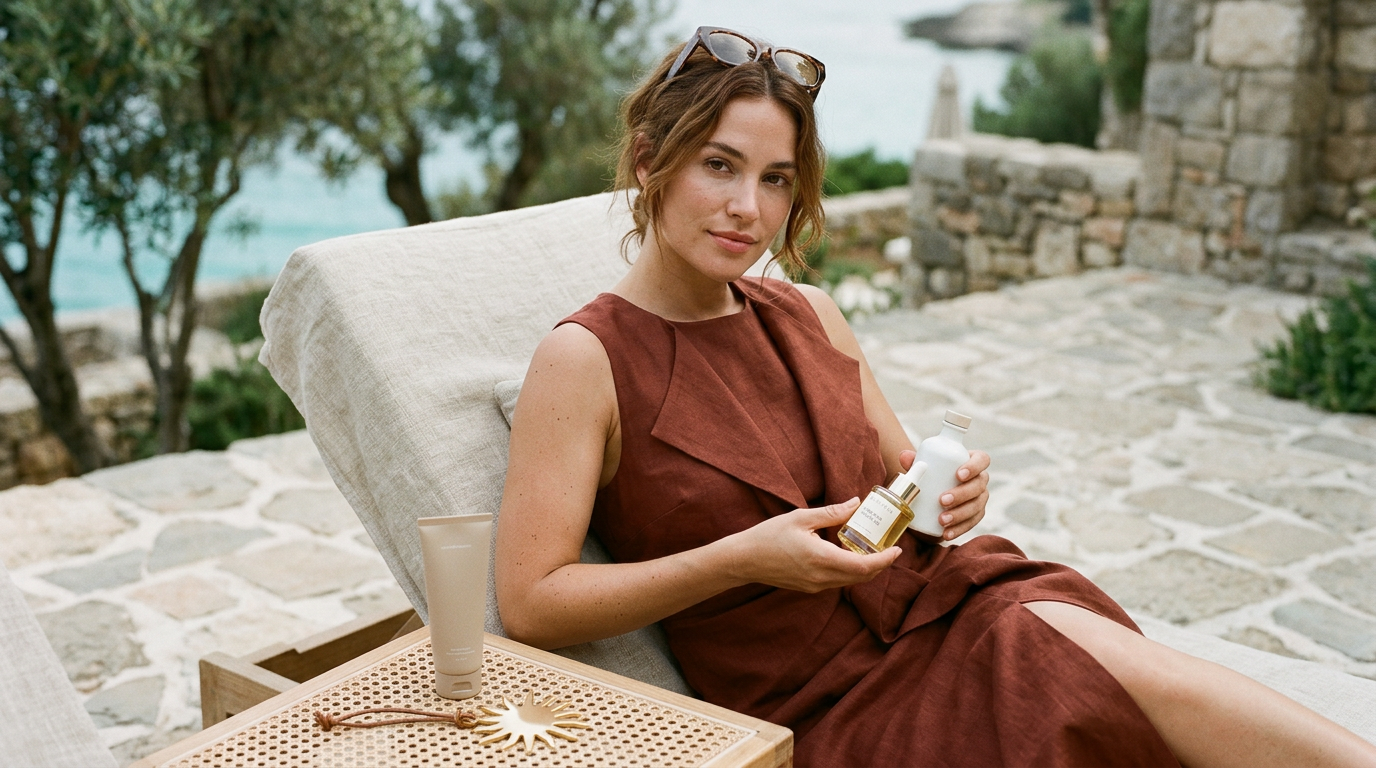
DIY sun protection with plant oils is a classic viral skincare hack: “natural”, uncomplicated and cheap. That is exactly what makes it questionable—because it often promises protection that cannot be reliably checked in everyday use. Posts sometimes show oils such as coconut, olive or sesame oil as substitutes for sunscreen, even though sources generally describe their protective effect as very low (often with very low SPF values, sometimes below 8).
Risk check in 5 steps: 1) What is being promised? If it sounds like “full sun protection” without clear evidence, the first warning light should go on. 2) UVA/UVB: are both covered? Sun protection is not just about “not getting red” (UVB). UVA also matters. DIY mixtures usually lack reliable information on whether they protect evenly against both ranges. 3) Does the effect vary? Plant oils are natural products. Their composition, purity, origin and processing can vary. With mixtures, distribution adds another uncertainty factor. 4) Essential oils as an “extra”? They often appear in DIY recipes, but have also been associated with irritation or phototoxic reactions (reactions that can be intensified by light). 5) Hygiene and shelf life: Homemade oil mixtures usually do not have a conventional preservative system. Many descriptions therefore discuss a possible risk of germs (bacteria/fungi)—especially with frequent opening, taking product out with fingers or storing it somewhere warm.
In short: the hack may look appealing, but the reliable evidence is generally missing exactly where it matters for sun protection.
Safer alternatives: a mini checklist for social media trends
A lot of views can quickly feel like a seal of quality. In skincare, that is a weak signal: results depend heavily on skin type, routine and combinations. A trend may work without problems for one person and cause trouble for another through over-irritation, unsuitable combinations or simply poor hygiene.
Mini checklist (for the studio and everyday life): - Skin type and starting point: sensitive, dry or oily skin often reacts differently—even to “gentle” hacks. - Keep your routine simple: the more layers and active ingredients, the more potential sources of irritation. - Be cautious with fragrances/essential oils: “natural” does not automatically mean well tolerated. - Hygiene matters: hands, tools, applicators and containers all affect how well something works. - Test new things one at a time: when several things change at once, it is hard to identify the cause of a reaction.
Troubleshooting for burning or redness: the first step is often described as taking a break from the trigger and using simple, gentle basic skincare. If you need a clear plan, a 48-hour plan for irritation can also offer guidance. For severe or persistent symptoms, seeking a professional assessment is considered sensible.
Extra note for teens and children: discussions about “strong” routines and trends often emphasize that a simple base of cleansing, moisturizing and protection is easier to manage.
Mini self-check (2 questions): 1) Is the benefit supported—or just well presented? 2) Would this method be hygienic with daily use?
If you are unsure about trend products or your routine, a short professional assessment can help. At the studio, we offer individual skin analysis and advice as well as hygienic beauty treatments tailored to your skin type, daily life and desired results. If you need one, you can easily book an appointment.
DIY sun protection with plant oils may seem “natural”, but its protective effect is often uncertain. Missing UVA/UVB coverage, inconsistent mixtures, possible irritation (e.g. from essential oils) and hygiene questions are particular concerns.
If you briefly check trends and keep your routine simple, you reduce the risk of unnecessary skin reactions—and usually save time, money and stress in the end. If you are unsure, a professional assessment can help you find a suitable, safe plan.