
Düsseldorf/Las Vegas, 10 January 2026: L’Oréal has unveiled an LED face mask about one millimetre thick at CES, as well as a straightener that is said to use infrared light. Both new products target the growing market for at-home beauty devices and applications that bridge a professional facial treatment in a studio and home care.
CES Highlights: LED Mask and Infrared Straightener
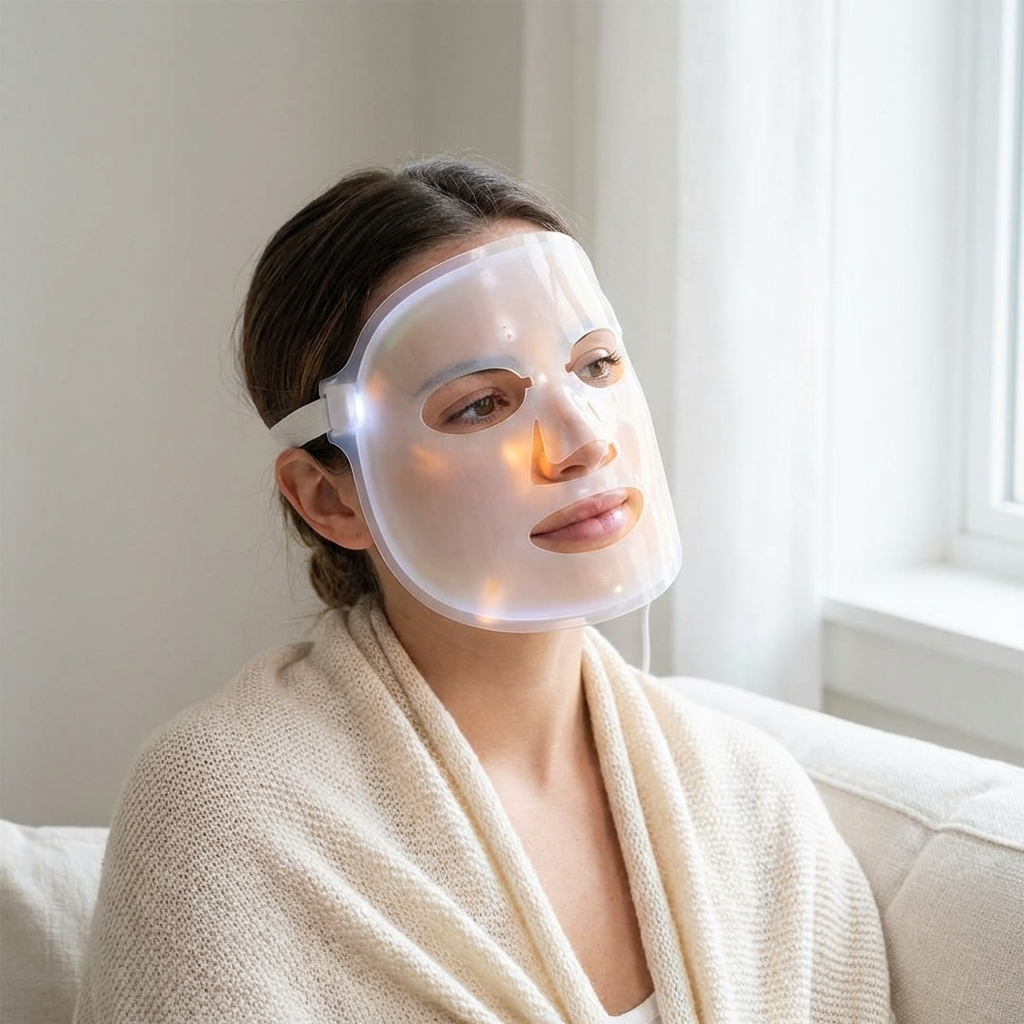
In Las Vegas, L’Oréal presented two devices intended to bring beauty technology further into the home: an ultra-thin LED face mask and a new straightener with infrared light.
According to people close to the group, the mask is only about one millimetre thick — making it considerably less bulky than many models known so far. L’Oréal positions it as a device for wrinkles and tired-looking skin. A version for the sensitive skin below the eyes is also planned.
Chief Innovation Officer Guive Balooch explains the move by pointing to what he sees as a gap that is too wide between professional studio treatments — such as those in device-based cosmetology — and what clients can do at home. For 2026, L’Oréal is making light therapy a strategic focus.
The second product is a straightener that is said to be “considerably gentler” than conventional devices thanks to its use of infrared light. The company says the infrared technology is patented.
Market Trend and Context: Home Complements the Studio
The “beauty devices” market is growing, increasing pressure to make products more convenient and practical for everyday use. According to the report, various analyses project annual growth of 15 to 17 per cent and a market worth up to 380 billion US dollars by 2035. Data Horizzon Research puts the market at 1.2 billion US dollars in 2024 and expects it to reach around 2.5 billion US dollars by 2033, with a compound annual growth rate of nearly 9 per cent.
Balooch cites comfort and appearance as barriers for LED masks, which have often been niche products so far. According to L’Oréal, the new mask was developed with support from I-Smart-Developments and is intended to work without additional creams or devices; it can also be combined with skincare from other providers.
The account of its effectiveness remains cautious: the light is said to reach deeper skin layers and stimulate cell renewal, but a long-term anti-ageing effect has not yet been conclusively established scientifically.
This development matters to salon and spa clients because it shapes expectations around results and “in-between options”: home devices can complement an device-based facial treatment such as an Aquafacial at the studio but will not automatically replace it. Babor co-managing director Tim Waller makes a similar point; according to the article, Babor offers LED services through a partnership with Hydrafacial.
If you are interested in beauty tech and home devices, mary4.beauty regularly shares news and context on trends and developments where studio treatments meet home care.
With its ultra-thin LED face mask and infrared straightener, L’Oréal is betting on a trend intended to bring home care closer to studio standards. What matters is how comfortable the devices are in everyday use — and how robust the long-term claims about LED prove to be.