
According to PETBOOK, The Body Shop has been certified 100% vegan by The Vegan Society since 4 October 2025. For clients considering classic facial treatments and for anyone shopping at the drugstore, this makes the maze of labels easier to navigate—and draws attention to common ingredient pitfalls and unanswered questions about animal testing.
Animal-Derived Ingredients: Cases That Keep Coming Up
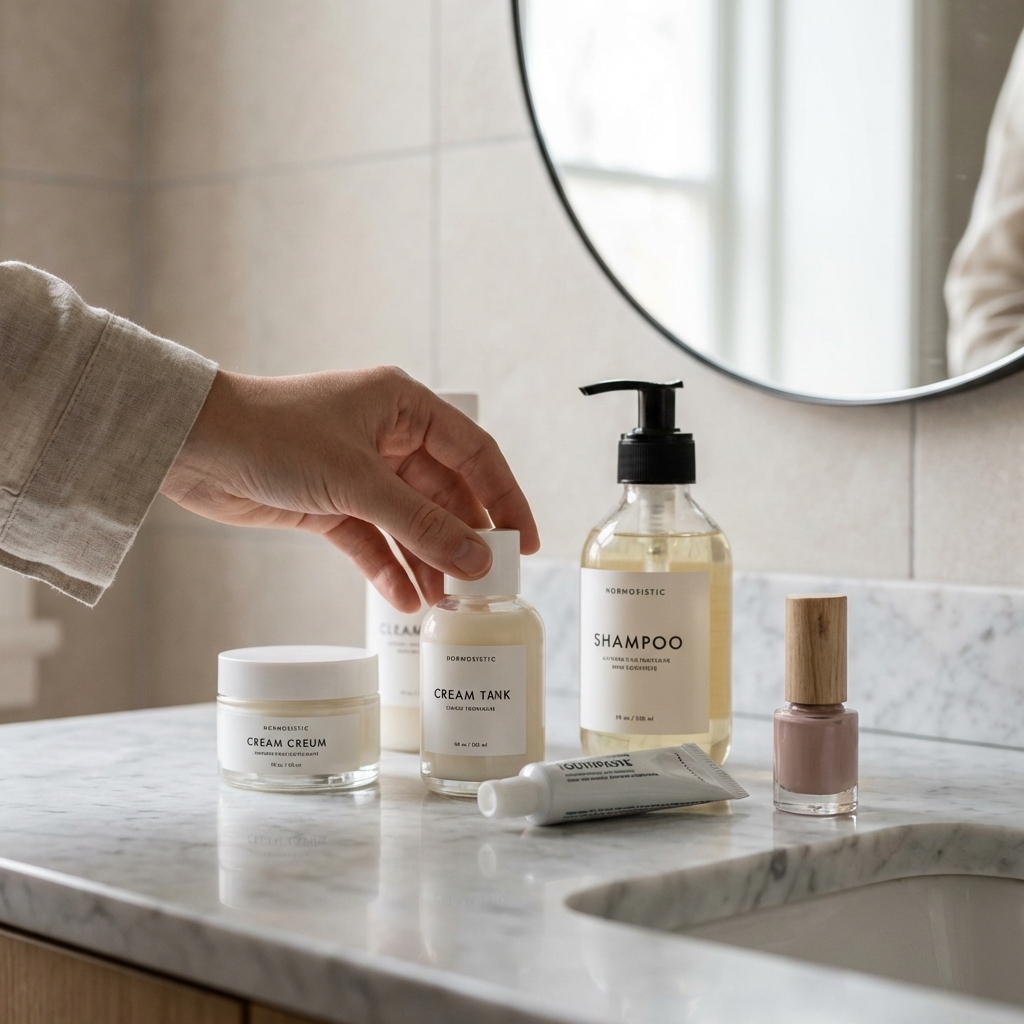
“Vegan” is not always obvious on cosmetics—even products used in everyday routines. PETBOOK (author: Rebecca Stringa) lists several substances that may be animal-derived or difficult to classify depending on how they are made.
The article describes glycerin as a “tricky case”: it can come from vegetable oils, but it is also produced when animal-based soaps are made (for example, using bones). L-cysteine (E 920) is similar. Unless it is made synthetically, it may come from pig bristles, claws or feathers; PETBOOK also lists fermentation as a production method.
Everyday examples include metallic nail polish, which may contain guanine from fish scales. Shellac (E904) comes from the secretions of the lac beetle; PETBOOK cites 50,000 to 300,000 insects per kilogram and around 20,000 tonnes of global production. It also mentions “CND Shellac” as an example that, according to the article, contains no actual shellac.
Collagen remains a classic cosmetic ingredient and is usually obtained from cattle hides. Dr Andrea Weber (Babor Beauty Group) is quoted as saying: “Collagen has so far been unrivalled in the way it works.” Toothpaste may contain bone meal (calcium phosphate) as well as beeswax or bee pollen; keratin in hair care may come from horns, hooves or feathers.
Vegan Labels and Animal Testing: Useful Guidance With Limits
Labels make it easier to check products on the shelf, but they do not answer every question about animal testing. PETBOOK notes that animal testing for cosmetics has generally been banned in the EU since 2013, but the rules have gaps: ingredients can still be used in contexts where animal testing is required.
The article names several labels as points of reference. The Vegan Society’s flower logo is considered particularly comprehensive internationally; according to PETBOOK, more than 4,000 ingredients across over 1,000 products at The Body Shop were checked. The V-Label is widely used internationally and identifies both vegan and vegetarian products. Organic labels are often associated with vegan products, but do not automatically guarantee that a product is vegan. EcoVeg is described as an independently verified certification for plant-based foods of organic quality—not specifically for cosmetics.
PETBOOK sums up the grey areas this way: EU bans apply to newly developed products and ingredients; older products from before 2013 are still available. Cosmetics may also use substances that are found in cleaning products, paints or medicines and have therefore undergone legally required animal tests. Tests may also be possible for substances used only in cosmetics when occupational or environmental safety is assessed.
PETBOOK also mentions databases and apps such as “Codecheck” for looking up ingredients. Our overview of apps that identify cosmetic ingredients by barcode also explains where these apps have limits.
The Body Shop’s 100% certification shows how strongly “vegan cosmetics” are marketed through verifiable standards. At the same time, the PETBOOK overview makes clear that legal grey areas around ingredients remain possible—especially when substances are also tested under regulations outside cosmetics.
If you are looking for more beauty checks and guidance on ingredients, labels and mindful skincare, you will find concise beauty information and product guidance here to make labels and INCI lists easier to understand.